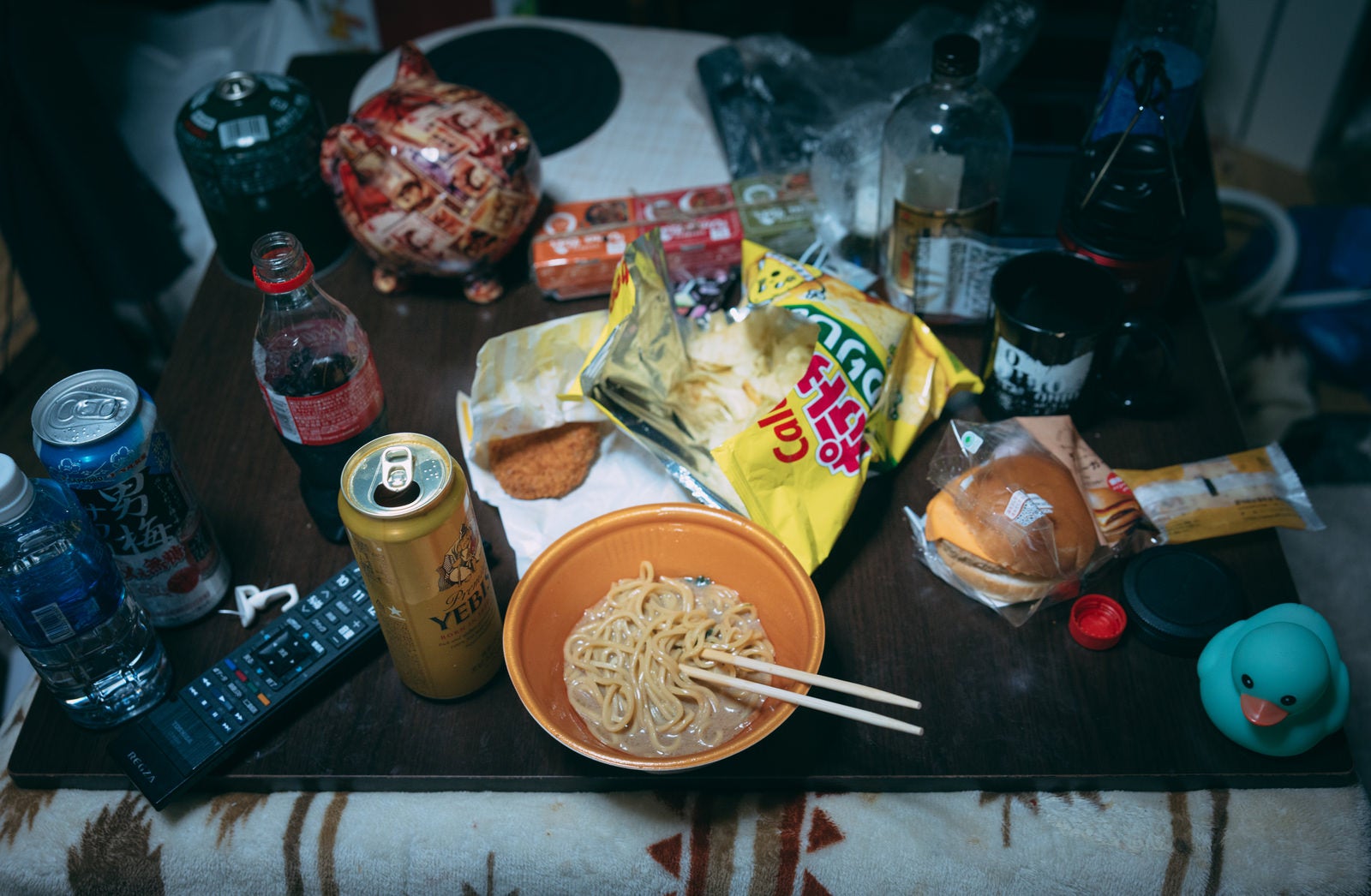
New Year’s in Japan usually involves lots of food and special dishes, so how did our handful of single guys celebrate this year?
New Year’s Eve (Omisoka) and New Year’s Day (Ganjitsu) in Japan are a time for staying at home, unwinding, and perhaps more than anything, eating. After a whirlwind of end-of-the-year deep-cleaning and cooking customs, the goal is to relax as much as possible, which also means eating as much as you want as if the calories don’t count.
While some families prepare or order elaborate osechi New Year’s feasts filled with all kinds of auspicious small dishes, that custom may not be practical or feasible for everyone. With that in mind, we were curious to know how four of the 40-and-up bachelors on our Japanese-language writing team fed themselves over the holiday and asked each of them in turn to dish it out.
(Note: The following photos are not images of what each person actually ate over New Year’s but are pulled from a previous article.)
We started off by asking light-eater Seiji Nakazawa, who isn’t really known for eating full meals and at times resorts to gummy candy for dinner.
▼ Seiji Nakazawa, who also seems to have missed eating lots of things in his youth
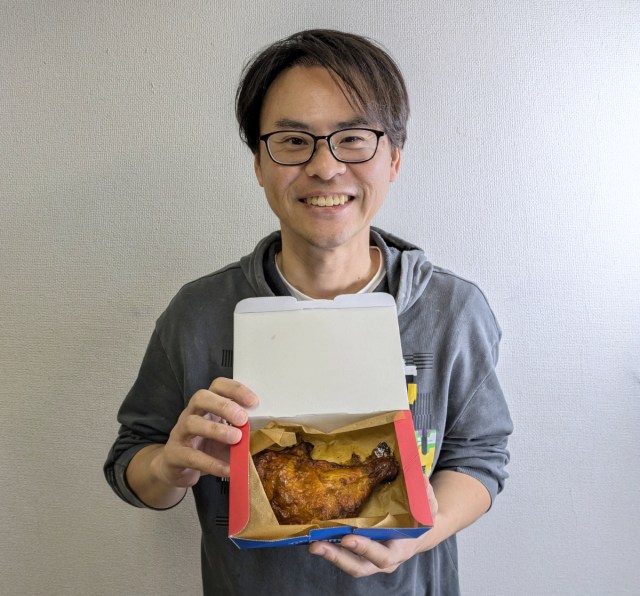
On New Year’s Eve I had Nissin Donbei soba noodles. On New Year’s Day I bought several simmered and side dishes at [grocery store] My Basket.
His meals sound simple enough for someone living on their own, but we’d probably suggest adding more carbs and/or protein in the form of an onigiri or bento to make everything more well-balanced.
Next was Takashi Harada, who doesn’t mind cooking but also doesn’t consider himself to be good at cutting things with a knife and is reluctant to use one.
▼ Takashi Harada, who isn’t afraid to eat things that might give others nightmares
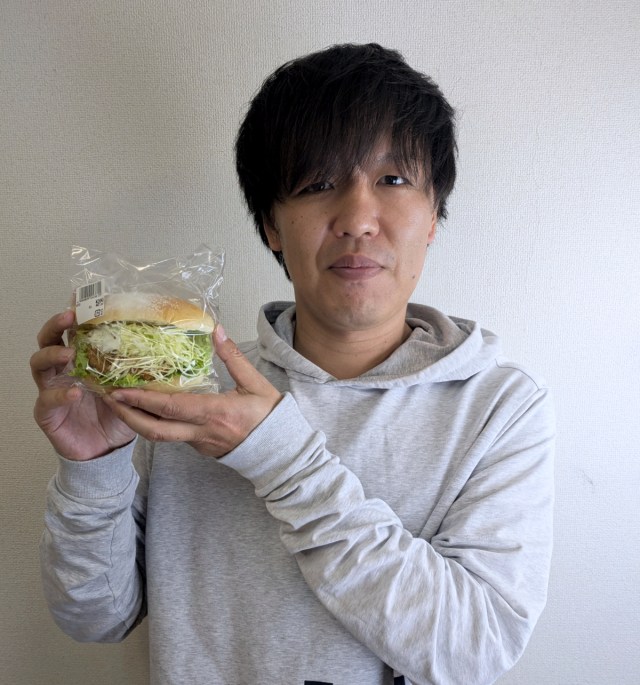
I had a stew at home on New Year’s Eve and I went to a local yakitori restaurant on New Year’s Day.
We’re not sure if Takashi cut the ingredients for the stew himself or purchased pre-cut ones at the store. Also, since we know that he likes drinking, there’s no doubt that he had an alcoholic beverage or two to wash down the yakitori. It sounds like a really fun way for a single person to spend spend New Year’s.
Moving along, we asked Takamichi Furusawa, who’s one half of our resident Kita Kanto Brothers, about his menu.
▼ Takamichi Furusawa, master of making epic family restaurant pizzas
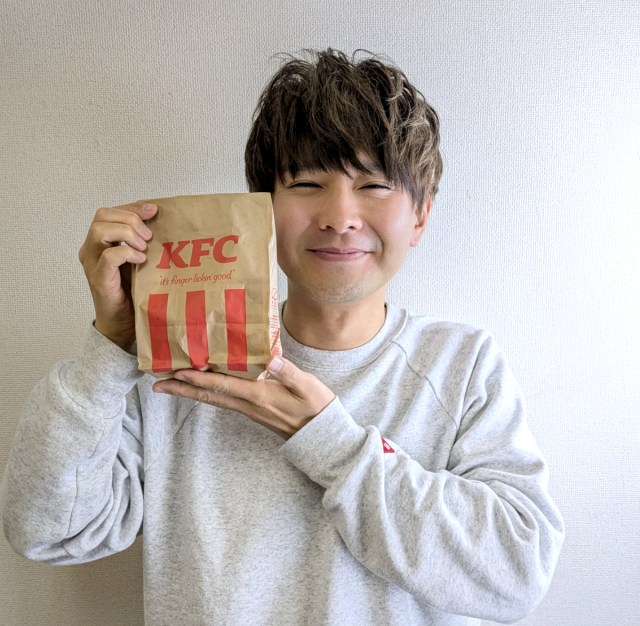
On New Year’s Eve I had toshikoshi soba with my immediate family, and the next day I ate ozoni soup.
It makes sense that Takamichi, who lives with his parents, would have proper family meals full of traditional New Year’s foods like toshikoshi/”year-crossing” soba noodles and ozoni soup with mochi rice cakes. It’s a blessing that he can still have familiar family cooking on an important holiday like this.
Last but certainly not least, we spoke with Go Hatori, a disciplined fellow who actually went to work at the office on New Year’s Day.
▼ Go Hatori, who has a talent for making dishes that are missing the main ingredient
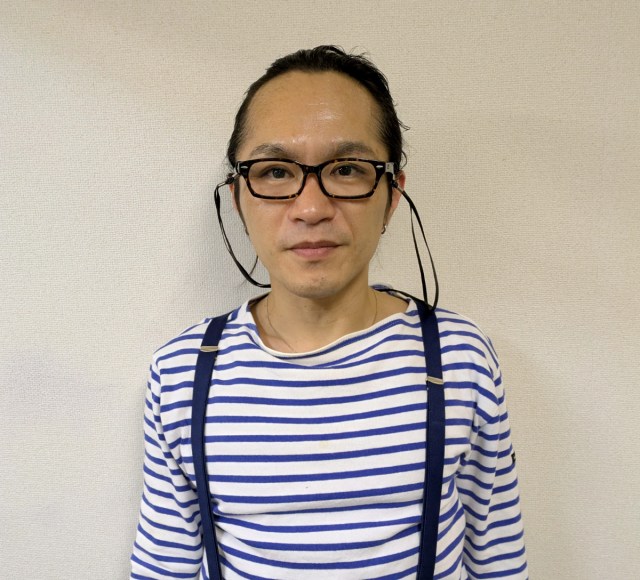
On New Year’s Eve I had rice with natto for breakfast and rice with umeboshi for lunch. I made nukisoba with tempura (everything that’s in a bowl of hot soba…minus the noodles!) for dinner. The next day, I skipped breakfast and had homemade broiled eel bento for lunch and homemade pork shabu shabu bento for dinner.
As one might expect from Go, who enjoys both cooking and eating, he created his own delectable and satisfying meals that some of us couldn’t even imagine making just for ourselves. Even more, he brought two completely different homecooked bento with him to work. You might say that he’s a pro at being a single, middle-aged guy.
▼ Go’s homecooked eel bento
We thank all of our resident bachelors for answering our question, and we wish them all the best heading into this new year, whether it’s praying at a Shinto shrine for love or opening numerous New Year’s lucky bags for the thrill of it.
Top image: Pakutaso
Insert images: SoraNews24
● Want to hear about SoraNews24’s latest articles as soon as they’re published? Follow us on Facebook and Twitter!