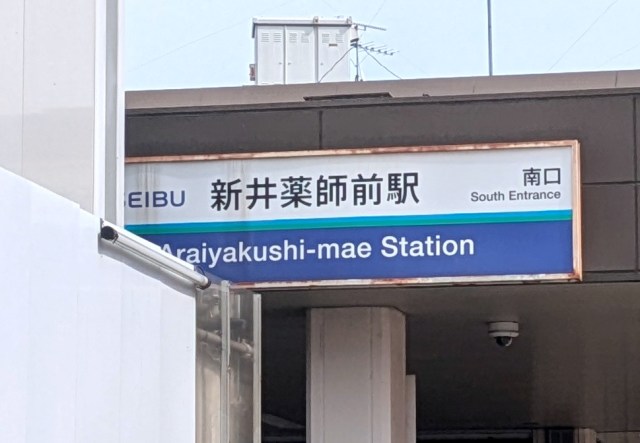
Mr. Sato starts his urban exploration of Tokyo to catch a glimpse of local neighborhoods’ pasts before they’re changed forever.
There’s never a time when Tokyo isn’t changing. The city is so big and has so many people that there’s always some part of it that’s being renovated, redeveloped, or otherwise reimagined. Oftentimes those changes bring greater convenience and interesting new experiences, but at the same time, there’s also the sadness that comes with losing elements that were part of the cityscape for decades up until then.
That’s something that our ace reporter Mr. Sato has been thinking about a lot recently. A resident of western Tokyo, he lives not far from the Seibu Shinjuku Line, which is going thought some extensive renovation work, with stretches of track and stations being converted from above-ground to underground facilities. Having been part of a construction crew that did similar work in his hometown of Izumo, Mr. Sato knows how much the atmosphere of a neighborhood can change after such conversions, and it’s inspired him to search Tokyo for fading vestiges of the Showa era (1926-1989) in order to document and appreciate them while they still exist.
For today’s urban exploration expedition, Mr. Sato started at Baishoin Temple, also called Araiyakushi Baishoin Temple, in the vicinity of the Seibu Shinjuku Line’s Araiyakushi-mae Station. “Yakushi” means “healer,” and this temple, which was founded 440 years ago, is said to bestow blessings upon those suffering from eye ailments, and also to help ensure the health of growing children. In a more secular sense, it’s also a spot of beautiful traditional architecture, and if you time your visit for when the cherry blossoms are blooming in spring, the approach to the main gate is quite picturesque.
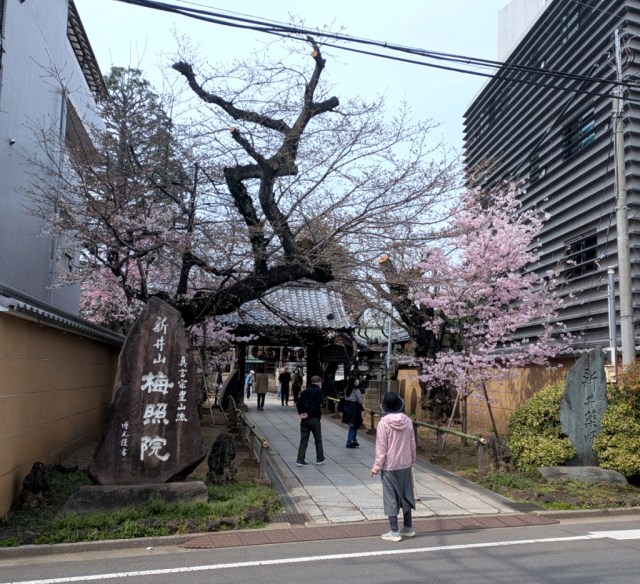
Baishoin isn’t the only local place for purported divine assistance either. There’s also a Shinto shrine, Arai Tenjin Kitano Shrine, right across the street, which is dedicated to Sugawara no Michizane, a ninth century scholar and poet who became deified as a god of learning and education.
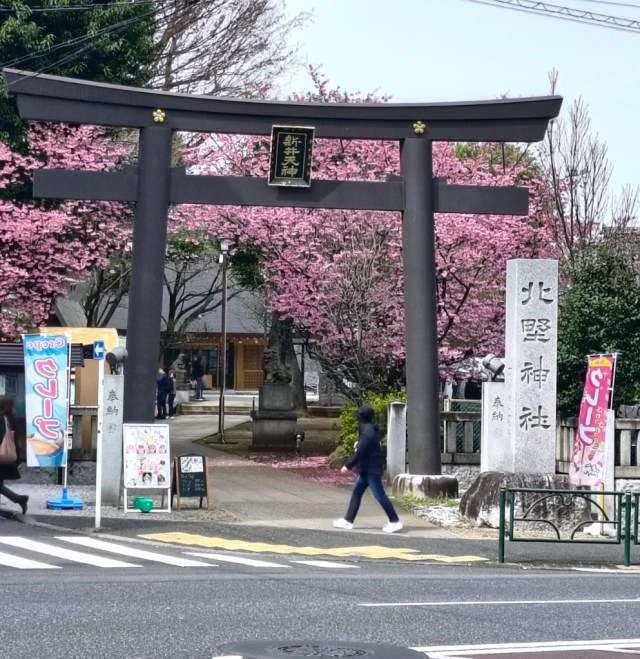
The shrine’s grounds have lovely sakura trees of their own too, but not of the Somei Yoshino variety that makes up the majority of Japan’s cherry blossoms. Instead, these cherry blossoms are a kind called “Princess Miyabi” that blooms earlier and has a more pronounced pink color.
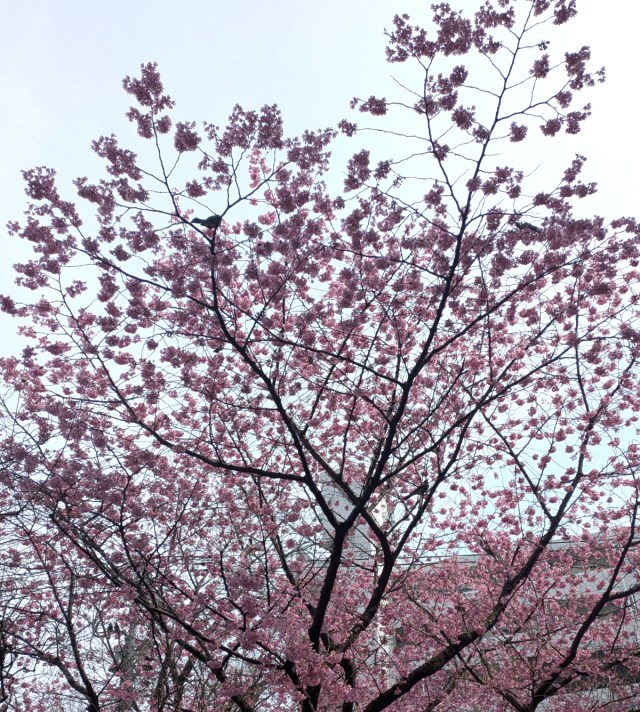
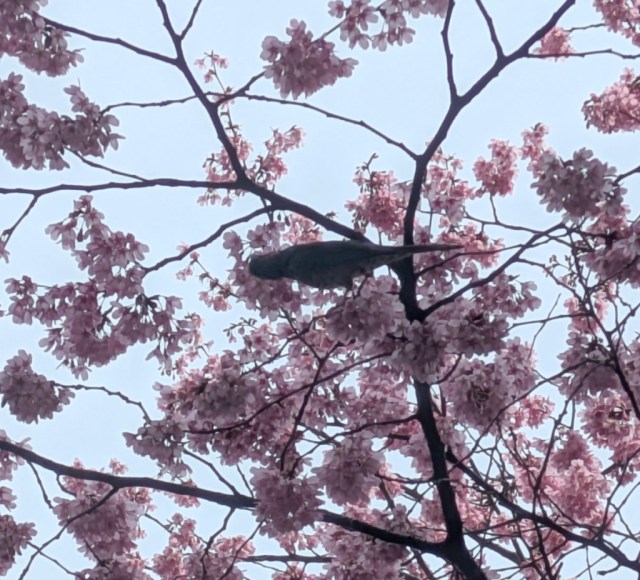
From the shrine, Mr. Sato made his way to Araiyakushi-mae Station, a walk that takes about eight minutes.
▼ Walking route from Baishoin Temple to Araiyakushi-mae Station via Arai Tenjin Kitano Shrine
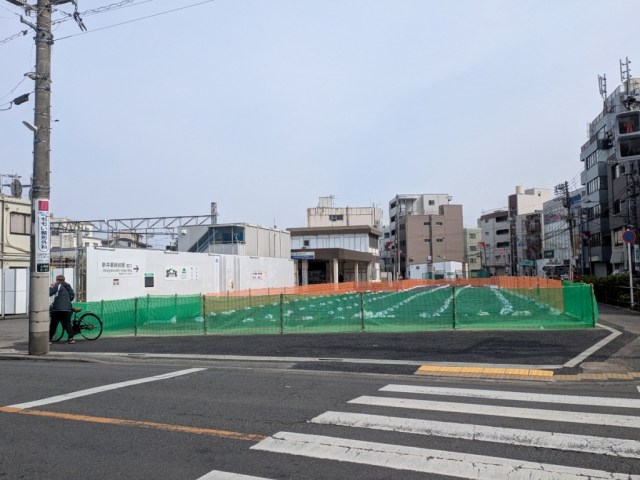
Araiyakushi-mae is one of the stops on the Seibu Shinjuku Line that’s being converted to an underground station, and while it’s still operating above-ground for now, the prevalent partitions are a reminder that changes are coming.
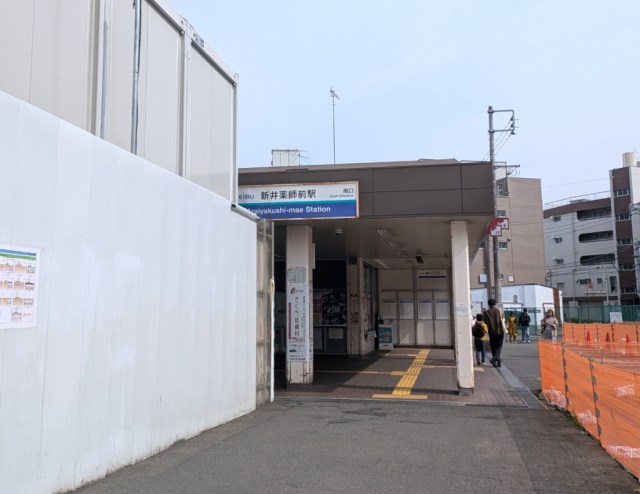
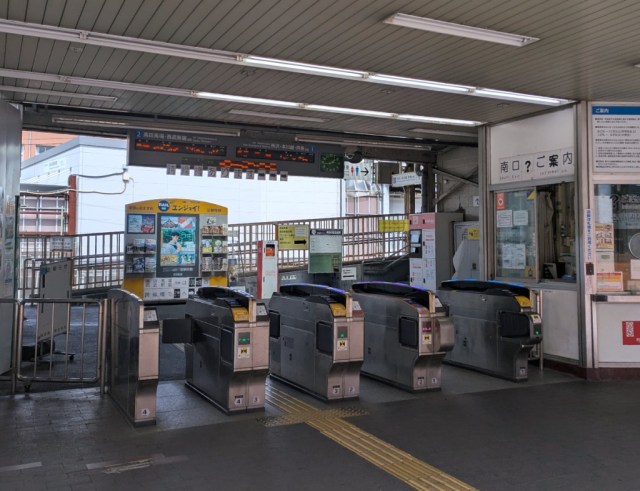
As part of the switch to underground tracks along this part of the line, a multiple railroad crossings are going to be eliminated. This will no doubt help ease congestion, but it also means those moments of neighbors waiting side by side at the crossing gate, taking in the same scenery at the same time, will also come to an end.
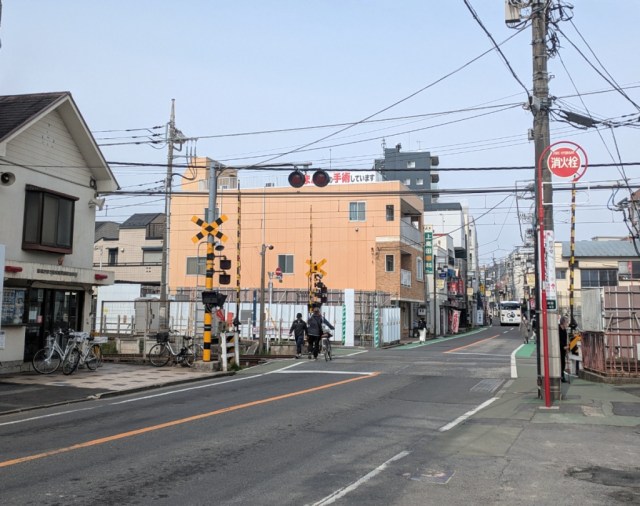
The entire track between Araiyakushi-mae and Nuamabukuro, the next stop on the line, will be underground once the renovations are finished, so Mr. Sato hopped on the train and rode over to Numabukuro to get a look at the neighborhood.
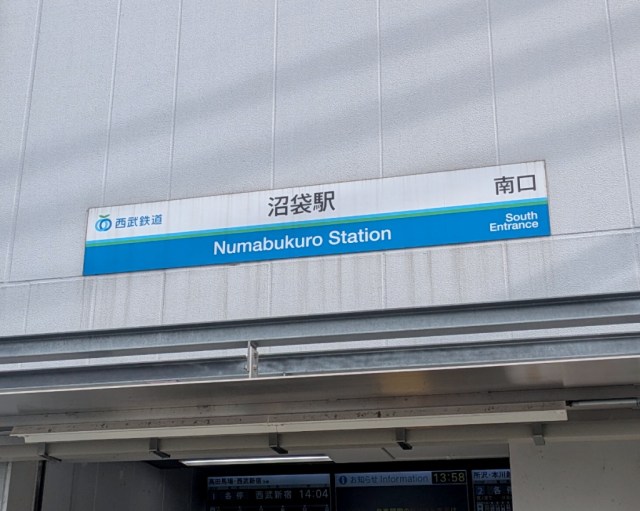
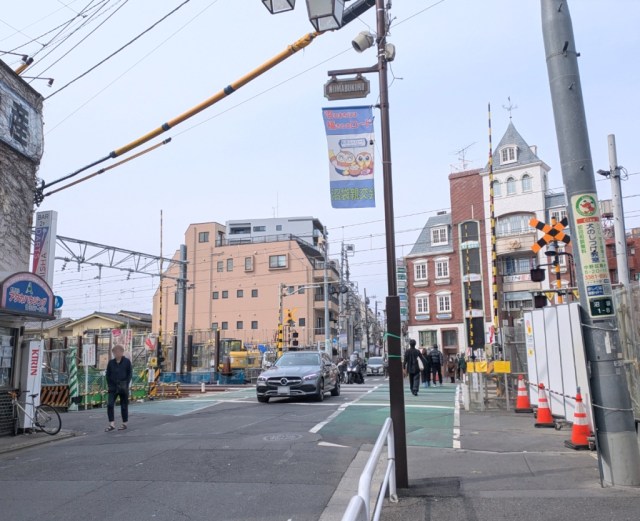
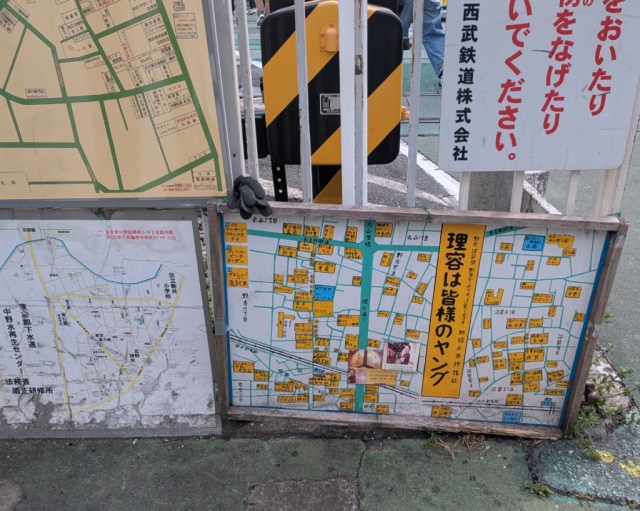
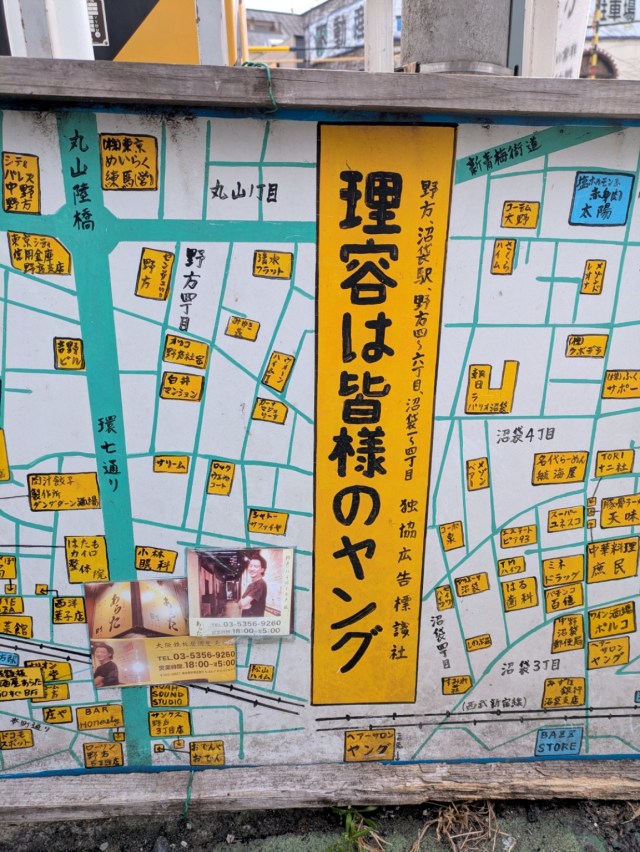
This crossing will be gone too, which will also likely mean the removal of the charmingly retro maps posted on its fence.
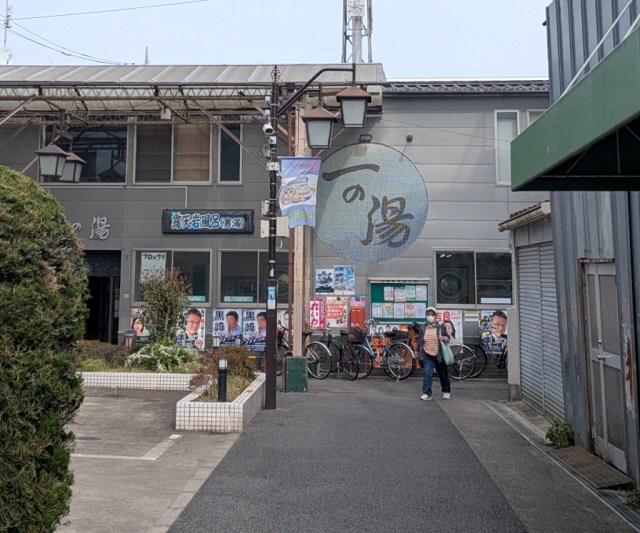
This public bath, called Ichinoyu and located a block away from Numabukuro Station, is also a remnant of an a more old-fashioned way of life. While it’s not directly in the path of the renovation work, one can’t help wondering if it’ll eventually get swept away as part of a local redevelopment project, but for now it’s hanging on, as are the small, independent izakaya pubs on the nearby streets.
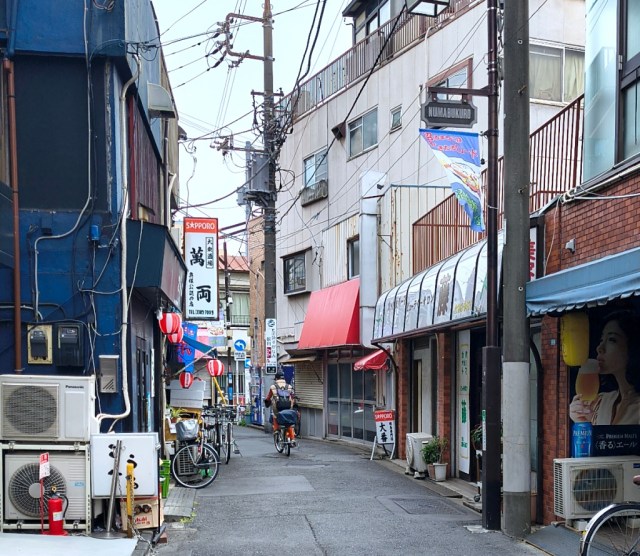
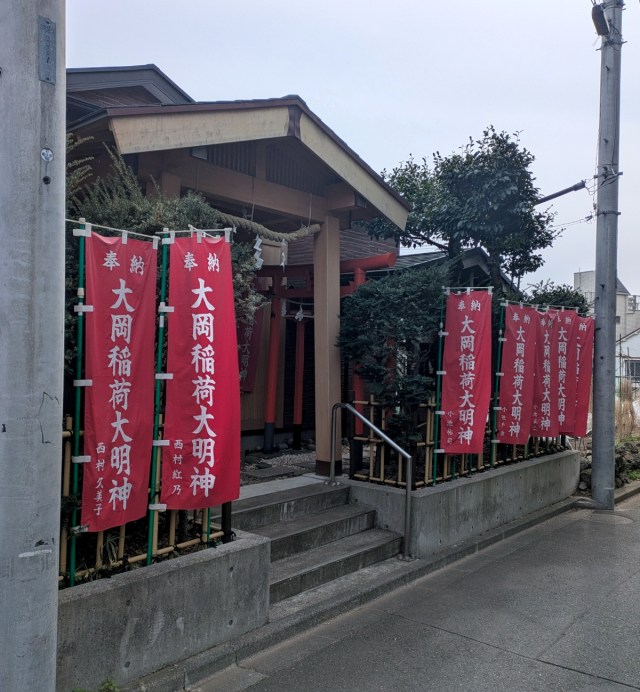
As he strolled about, Mr. Sato suddenly spotted a large torii gate marking the approach to Ooka Inari Daimoyijin.
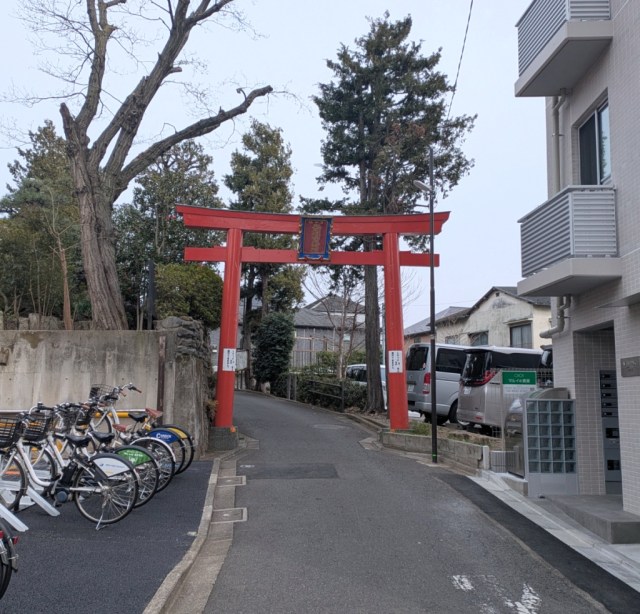
Ironically, after he passed through the gate and followed the path, he found that this shrine, dedicated to Ukanomitama, a god of harvests and agriculture, is actually pretty small, but Mr. Sato sill stopped to say a prayer of silent thanks.
▼ Route from Numabukuro Station to Ichinoyu and Ooka Inari Daimoyijin
Now with food on his mind, Mr. Sato realized that he’d gotten really hungry, so it was time to look for lunch.
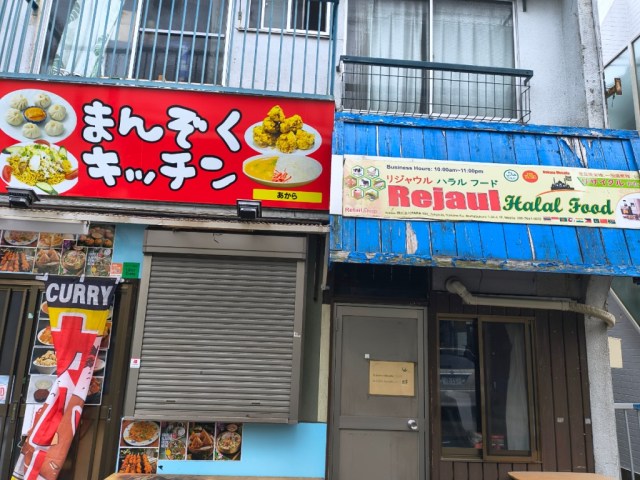
The good honest grub of Manpuku Kitchen and halal offerings of Rejaul, the establishments shown in the photo above, were both tempting, but unfortunately both of the places were closed at this late-afternoon hour, so Mr. Sato’s search continued, with more visual reminders of just how close the future was pushing its way into the past’s territory.
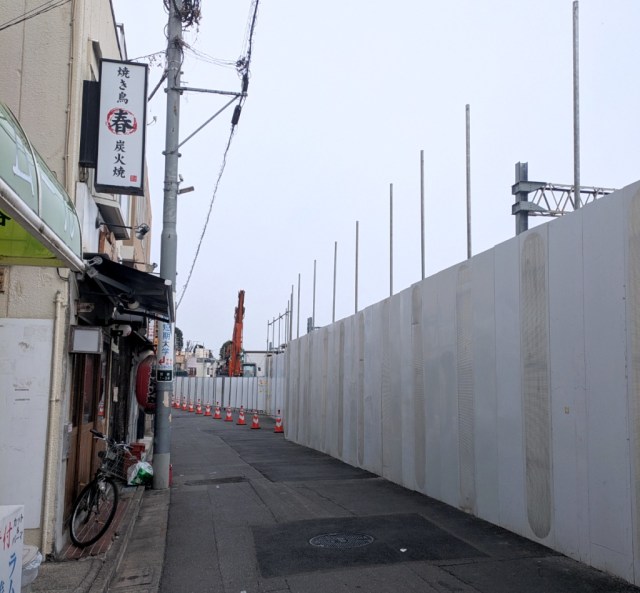
In time, he came across a Chinese restaurant called Tairiku, with its banner hanging across the doorway and signaling that they were still serving.
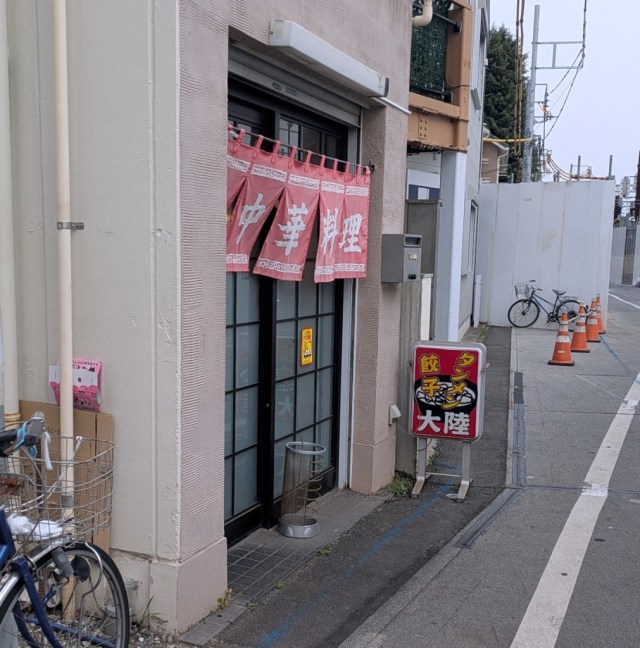
Stepping inside, Mr. Sato saw that the only people in the restaurant were the owner/chef and one elderly customer who appeared to be a regular. The two of them were entranced by a high school baseball game they were watching on the restaurant’s TV set, with the contest having just gone into extra innings. Mr. Sato put in his order for a bowl of tanmen ramen and a plate of gyoza (700 yen [US$4.50] and 400 yen, respectively), and as he ate, he found himself getting emotionally invested in the game too.
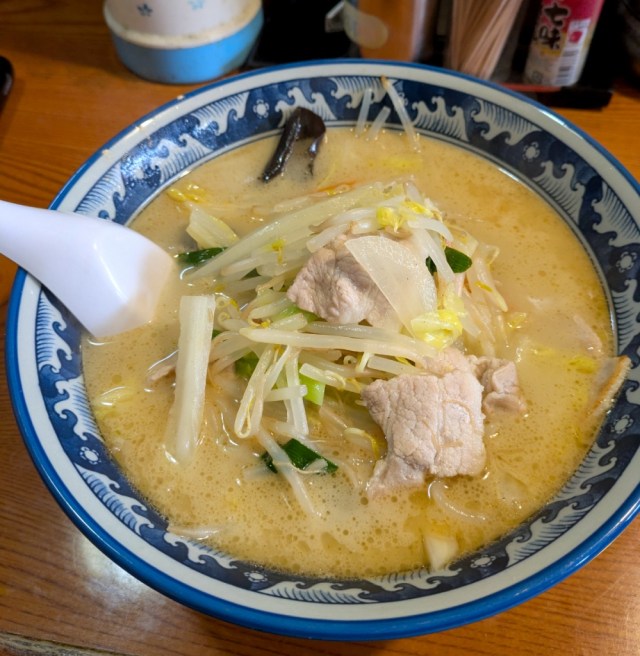
Both starting pitchers were still in the game, which was tied at 0-0. With every pitch, the other customer would let out an admiring “Oohh!”, and Mr. Sato unconsciously began to do the same, periodically looking down at his food to take a bite but then moving his eyes back up to the game.
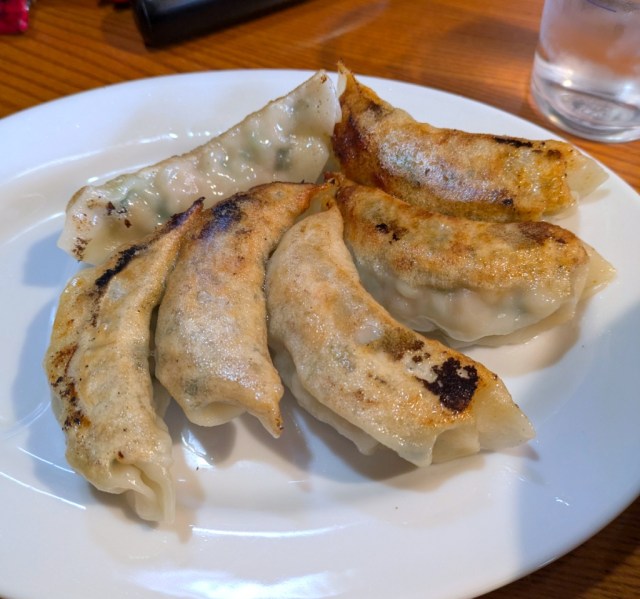
The ramen and gyoza were delicious and filling, but just as enjoyable was this unexpected sense of unspoken comradery with the other people in the restaurant, and when the game ended with a 2-1 victory for the winning team, Mr. Sato felt like he’d had not just a great meal, but a uniquely comforting experience…which he then followed with another at a cafe called Nekomaru.
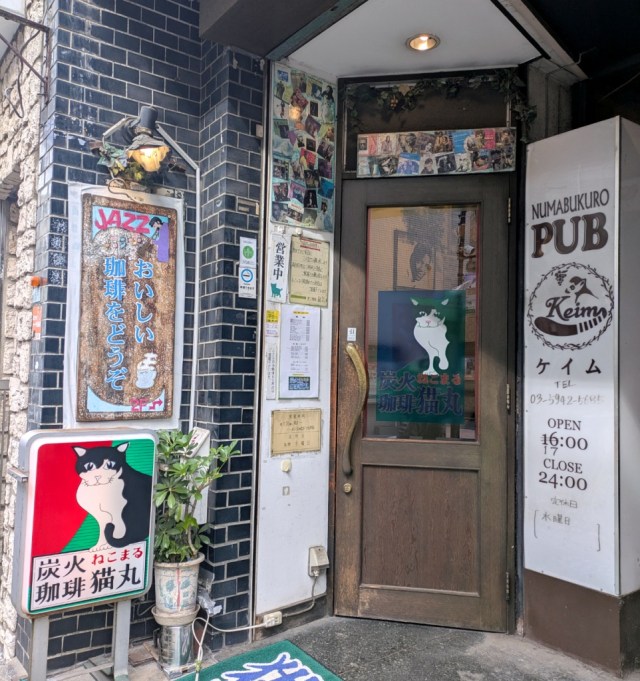
▼ Neko is the Japanese word for “cat,” so you can probably spot the cafe even if you don’t read Japanese.
▼ Route from Ooka Inari Daimoyijin Shrine to Tairiku to Nekomaru
This is a retro kissaten, a Japanese cafe in the style that was ubiquitous in the ‘60s and ‘70s, but which became less common as the Bubble Economy years went on. That means fewer flashy Instagram-baiting drinks and desserts, and a stronger focus on fundamentals, such as a really good cup of coffee for 480 yen.
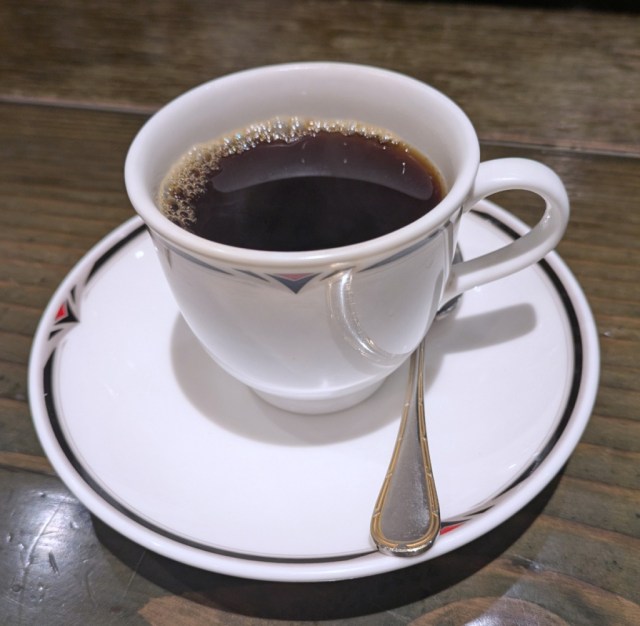
After taking a few satisfying sips, Mr. Sato realized that this stylishly old-school atmosphere was having an influence on his mental state. Ordinarily, in idle moments like this he’d be quick to pull out his smartphone and start scrolling through social media. But with the sounds of the staff’s jazz selection flowing from the cafe’s speakers and a cup of high-quality coffee in his hand, Mr. Sato felt he had all the stimulation he needed, and without an excess of it either. It was tranquil but not tranquilizing, and the 15 minutes or so he spent in this throwback state of mind turned out to be far more satisfying than doomscrolling, and he’s going to keep Nekomaru in mind for the next time he finds himself in need of a mental detox of this sort.
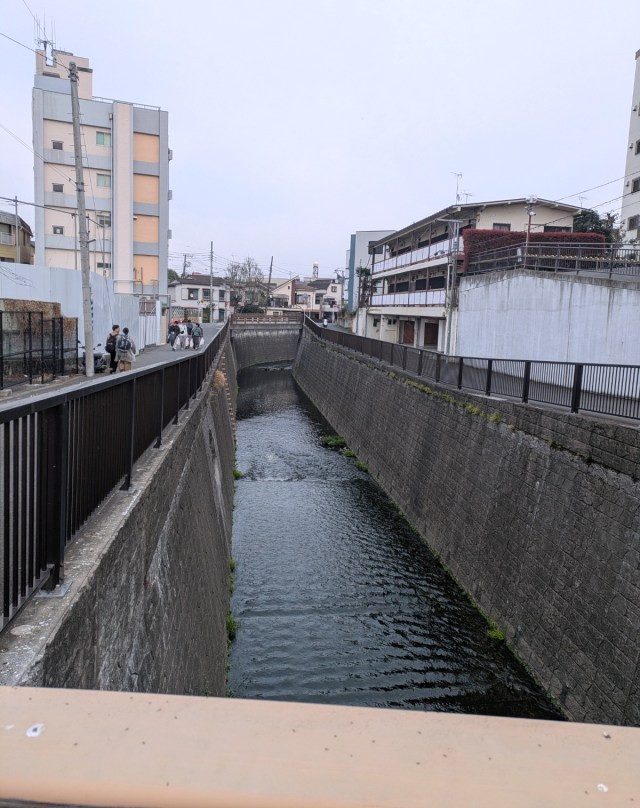
After leaving the cafe, Mr. Sato started walking south, in the direction of Nakano Station, the closest train stop to his apartment. This brought him to the Myoshoji River, where a plaque posted on the bridge he crossed said that back in the Edo period, frogs caught along the river, which were caught to be used as food, were collected as tax payments by the Shogunate government.
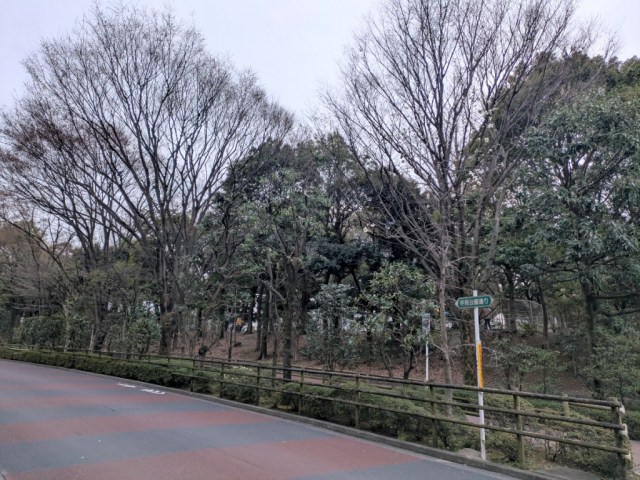
On the south side of the river is Heiwa no Mori Park, a relaxing green space for locals on ground that used to be part of a prison.
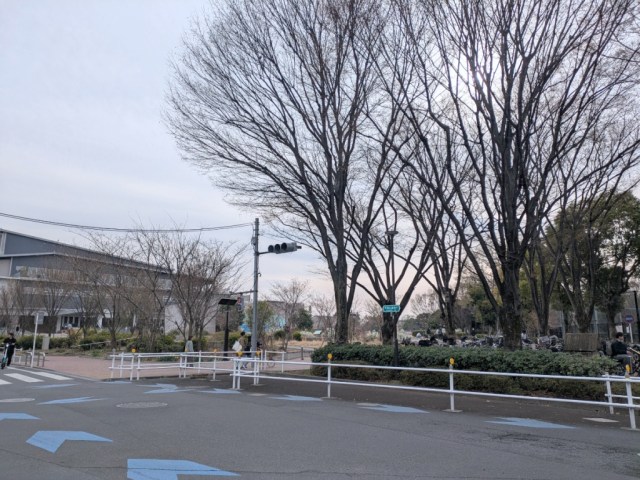
And eventually, Nakano Station came into view.
▼ Route from Nekomaru to Heiwa no Mori Park to Nakano
Nakano Station has been going through some massive renovations of its own recently. The new building is much larger and more modern than its previous form was, and, to Mr. Sato’s eyes, looks like something that would blend right in with the more heavily urbanized environments of the Tokyo city center, with the redesign making it more convenient and commerce-friendly.
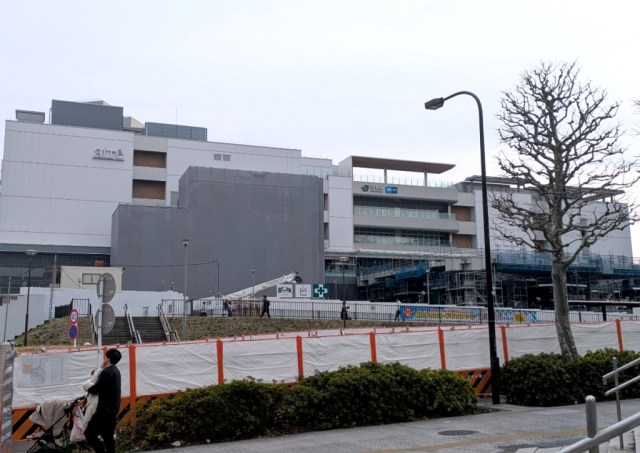
Similarly, Nakano Sun Plaza, a B-tier concert hall near Nakano Station that’s been the venue for performances by many beloved niche artists over the years, is in a state of limbo as it’s technically closed down, but demolition has been indefinitely delayed.
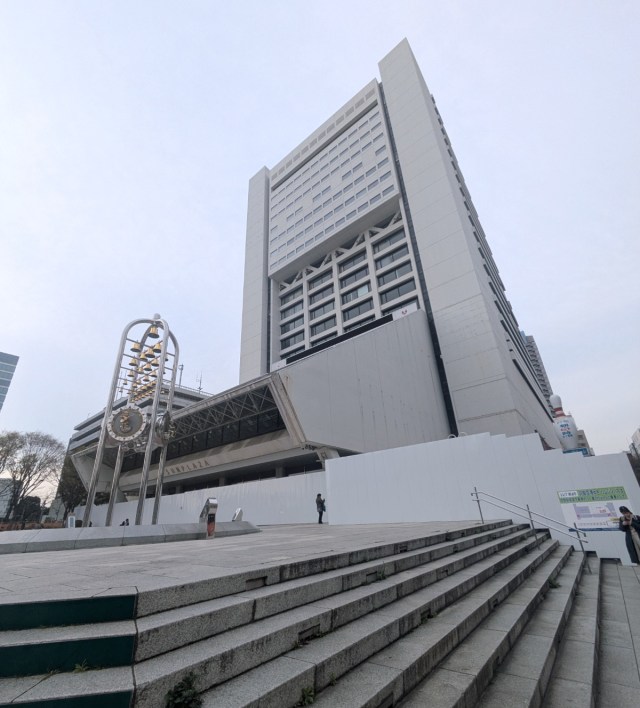
Mr. Sato isn’t completely opposed to the march of progress in Tokyo’s neighborhoods. However, understanding that such changes are inevitable, and in some cases even necessary, has hardened his resolve not to overlook those special places that are going to be fading away as newer, shinier stuff comes in, and he’s planning to expand his explorations to other parts of the city too, while there’s still time.
Photos ©SoraNews24
● Want to hear about SoraNews24’s latest articles as soon as they’re published? Follow us on Facebook and Twitter!


![First Pokémon anime movie since 2020 announced, brings new characters and staff to the series [Video]](https://lh3.googleusercontent.com/blogger_img_proxy/AEn0k_uP2cQ18NTv31ut6-KccwQre59v9mk0-3I-hMnvqN23BYh1YSgNY6Mr3N_jMtt0_C5BETuGTrSUWdUUuGWbwXEm9JQ5qe5CA67DzLtg2yy-fZ2b75QFL1LhxeN7w4hVMChHjYDkSTKGG65rgupiaw=w680)
