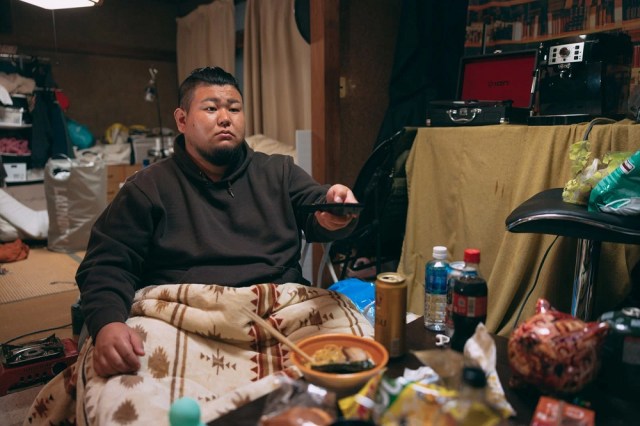
Annual survey finds cases of 90-year-old parents caring for socially reclusive children in their 60s.
KHJ, or Kazoku Hikikomori Japan, is an NPO offering support and guidance to hikikomori (shut-ins) and their families. The organization, which also goes by the name National Federation of Hikikomori Families, conducts an annual survey on the social phenomenon, and on August 28 it announced the most recent results, which paint a troubling picture.
Within the study, which was conducted this past December and January, 280 families with a hikikomori were surveyed, and the data shows that the average age of hikokomori is increasing. When KHJ carried out the survey’s first iteration in 2014, the average hikikomori age was 33.1, but in the most recent edition it’s risen to 36.9 years old. In addition, 43.1 percent of the hikikomori in the surveyed families are over 40 years old, and 12.7 percent are in their 50s or older.
As most hikikomori are reliant on their parents for living expenses, a rising average hikikomori age presents problems even beyond the economic hardships of retirement-age senior citizens having to continue to work or attempt to support their unemployed children on a fixed household income. It also adds a ticking clock element, as older hikikomori will lose that safety net when their parents pass away. The KHJ survey’s data showed that the average age of a family member caring for a hikikomori was 66.3, also an increase over previous years, and even found instances of hikikomori in their 60s who are being supported by their parents in their 90s. Even with Japan’s life expectancy being one of the longest in the world, simple math shows that isn’t a living arrangement that’s sustainable for the very long term.
The rising hikikomori age shows that for many of those dealing with crippling social anxiety, the cause isn’t just a simple source of temporary stress, nor is the condition just a phase that they’ll overcome with the mere passage of time. However, with school bullying or academic pressure being the two most commonly perceived triggers for becoming a hikikomori, there’s comparatively less attention given to recovery programs and assistance for full-grown shut-ins. “There’s a common image of initiatives to help hikikomori as things that should be focused on supporting young people, but the reality is that this is an issue that doesn’t affect only younger age groups,” said Chikako Hibana, one of KHJ’s directors.
As with many social issues in Japan, hikikomori are often treated as a family issue first, and cultural values make Japanese parents more willing to shoulder the extra responsibility of caring for an adult child than parents in many other countries might be. However, while such patience may come from a place of kindness, parental support can’t last forever, and so more concentrated efforts to help adult hikikomori integrate into wider society, at least to the extent of becoming more self-reliant, are going to become increasingly important in the years to come.
Source: Asahi Shimbun via Yahoo! Japan News, Dmenu/Teleasa News
Top image: Hikikomori
● Want to hear about SoraNews24’s latest articles as soon as they’re published? Follow us on Facebook and Twitter!


