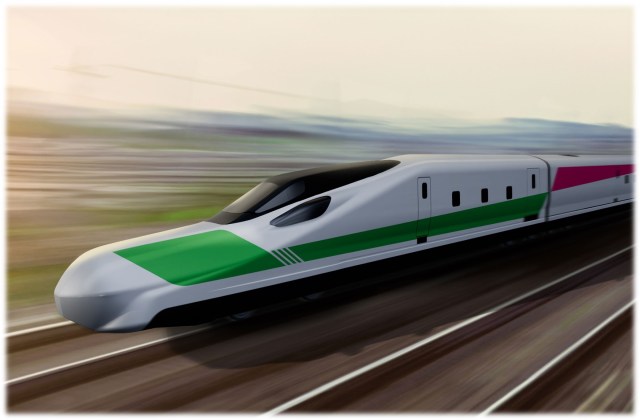
Meet “SOAR”, the next-generation Shinkansen designed to protect the rails.
On 14 July, East Japan Railways (JR East) announced it would be adding a brand new Shinkansen to its network, but this would be no ordinary bullet train. Called SOAR, the seven-car train won’t be carrying passengers, as it’s been built for one purpose only – to inspect the railway line, and protect the trains and passengers that use it.
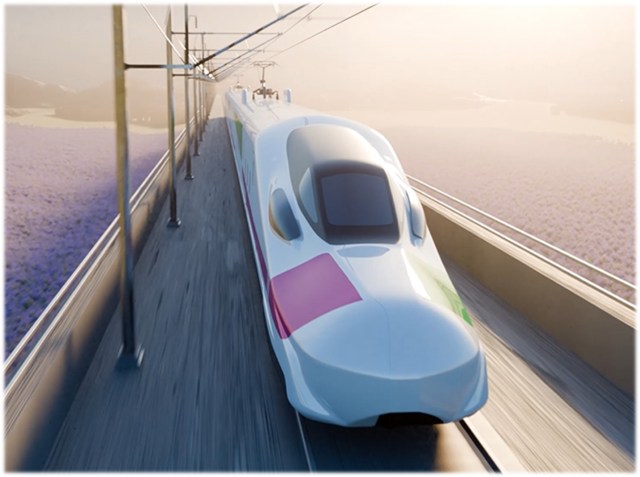
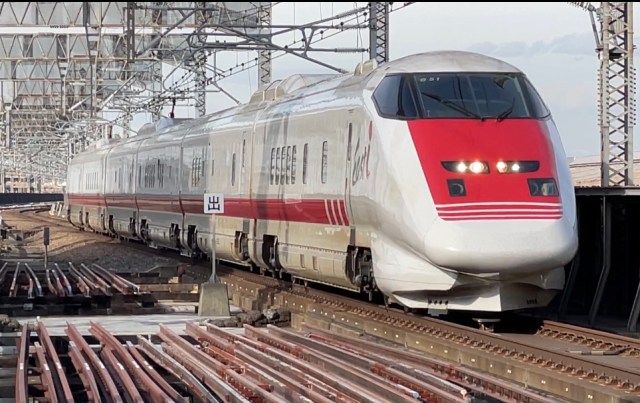
This new “inspection Shinkansen” will replace the company’s current East-i inspection train, which has spent over two decades checking tracks, overhead wires and signalling equipment across the Tohoku, Joetsu, Hokuriku, Yamagata and Akita Shinkansen lines. Unlike ordinary bullet trains, inspection trains contain specialised monitoring equipment instead of passenger seats, earning them a reputation among railway fans as some of Japan’s most fascinating working trains.
▼ East-i
The name SOAR was chosen from suggestions submitted by JR East Group employees. While the name conveys the idea of “soaring” to ever greater heights, the company says the “O” also represents zero, reflecting its goal of achieving the highest possible level of railway safety, with zero incidents being the ultimate aim.
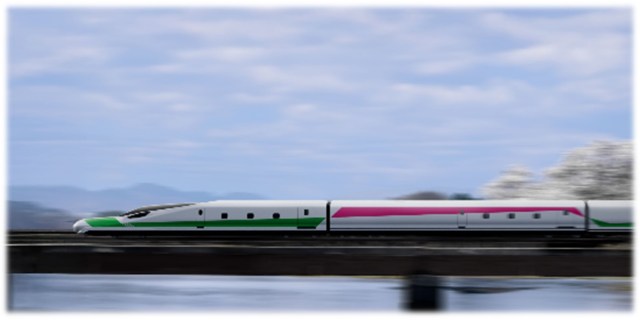
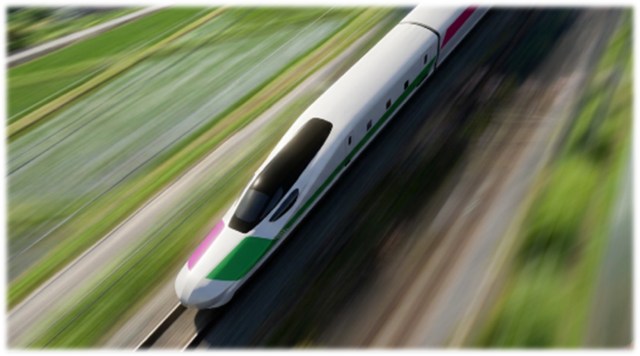
In terms of appearance, SOAR inherits the predominantly white colour of East-i while adding bold new red and green accents that evoke the look of JR East’s passenger Shinkansen, making it feel like part of the same family of bullet trains it’s been built to protect. According to JR East, the red symbolises courage, while the green represents growth and taking flight, reflecting the long-term management goals of the company.
▼ JR East calls it red, but it looks more like a hot pink.
While the Shinkansen looks different to any other we’ve seen, the biggest changes are concealed within. The train will be based on the E11 Shinkansen, currently under development by JR East, and will use underfloor monitoring technology developed through testing on the experimental ALFA-X train.
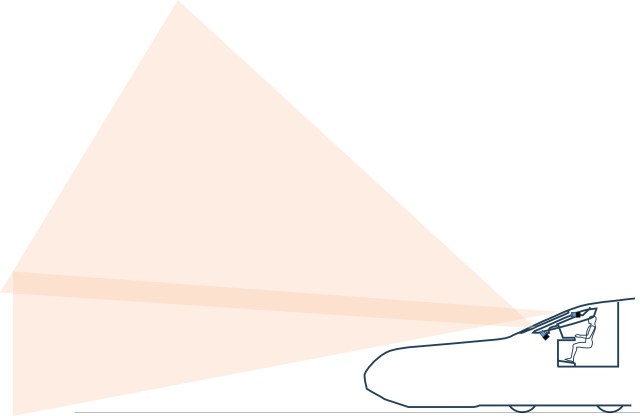
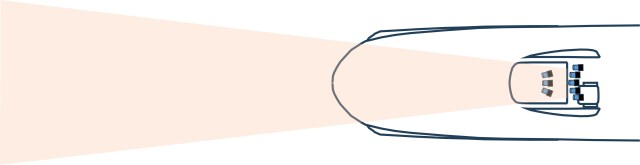
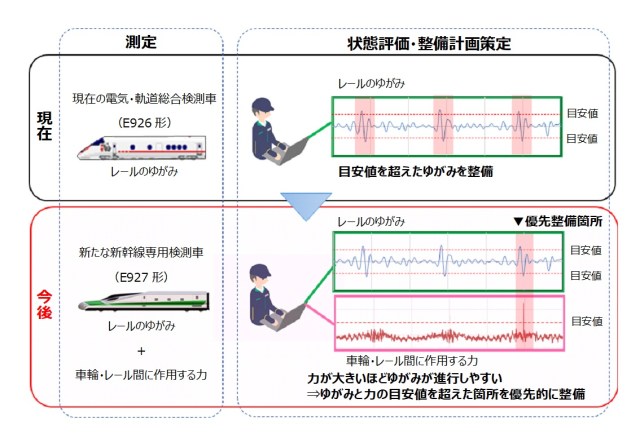
A total of 48 cameras monitor tracks, overhead wires, tunnels and other infrastructure as the train travels, while a newly developed “PQ Estimation System” measures the forces acting between the wheels and rails and analyses rail distortion to help identify sections that need maintenance. JR East also says it plans to incorporate AI in future to help automatically identify cracks and other potential problems.
▼ The “Shinkansen Onboard Camera System” consists of 32 “side and ceiling” cameras in Car 3…
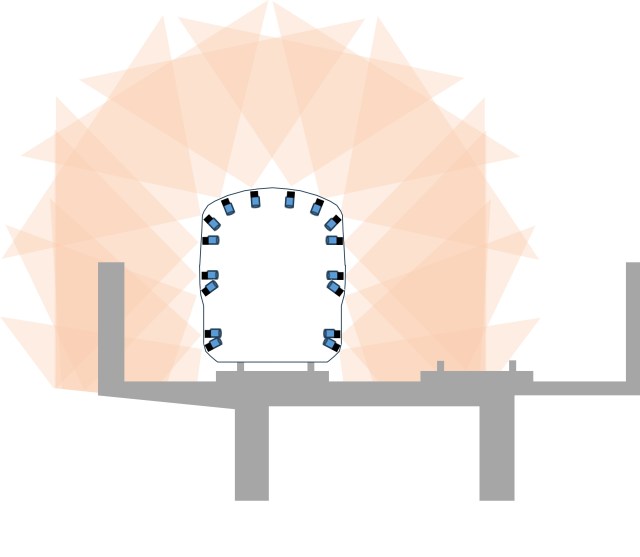
▼ …and 8 front-facing cameras each in car 1 and 7 (the front and rear carriages).
▼ The PQ Estimation system adds a new layer of information to assess what’s happening between the wheels and rails.
With all this new technology, SOAR will become Japan’s first dedicated Shinkansen inspection train capable of carrying out inspections at 320 kilometres (199 miles) per hour – the same top speed as the fastest passenger services on the Tohoku Shinkansen. Current inspection trains operate at lower speeds, with East-i reaching up to 275 kilometres per hour, so they’re not always able to inspect infrastructure under the same conditions experienced during normal passenger operations.
▼ SOAR is scheduled to start service sometime in fiscal 2029, when it will take over inspection duties from the current East-i train.
Although passengers won’t be able to book a ticket on SOAR, they will be able benefit from it every time they ride a JR East Shinkansen. By working hard behind the scenes, and inspecting railway infrastructure at the same speeds as commercial services, the new train will help to ensure the safety of all passengers who ride its rails.
Source, images: JR East
● Want to hear about SoraNews24’s latest articles as soon as they’re published? Follow us on Facebook and Twitter!


