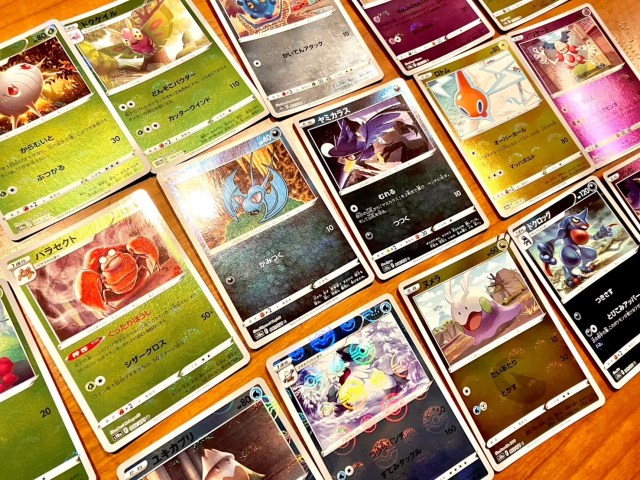
Trading cards have become so popular in Japan that the government is now getting involved, but what does this mean for fans?
Japan’s ruling Liberal Democratic Party (LDP) has announced plans to establish a new parliamentary group dedicated to the country’s rapidly growing trading card industry. The group will hold its inaugural meeting on 23 July, when lawmakers will hear from industry organisations and the Ministry of Economy, Trade and Industry (METI) about the state of the market and its current challenges.
The move comes as Japanese trading cards, particularly those from franchises such as Pokémon and Yu-Gi-Oh!, continue to attract enormous interest both at home and overseas. According to the Japan Toy Association, the domestic trading card market has grown every year since 2017, reaching around 338.4 billion yen (US$2.3 billion) in fiscal 2025.
This massive growth in popularity has led to growing problems that the government is now keen to address. Counterfeit cards, for instance, have become increasingly sophisticated, which is a concern in a market where high-value cards are frequently being bought and sold as investment assets. Scalpers regularly wipe stores clean of stocks on release days in order to profit from them through resales, making it difficult for genuine fans to buy new cards at retail prices. Authorities have also expressed concern that expensive trading cards could potentially be used for money laundering because of their high resale value.
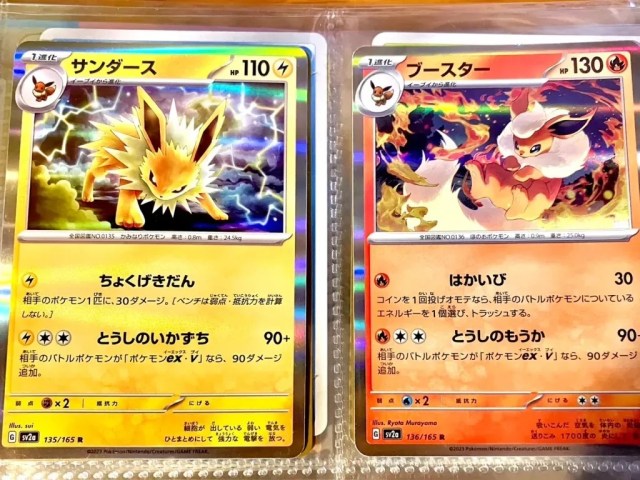
With so many concerns facing the industry, companies and businesses have been left to their own devices to deal with the growing problems brought on by the boom in demand for trading cards. One store in Japan resorted to snipping corners off the packs to make them less appealing to scalpers, while another limited sales to customers who were able to prove they were true fans by passing a quiz. Most recently, though, the Pokémon Center Online decided to play its strongest card by announcing that certain Pokémon card purchases through the Pokémon Center Online would require Japan’s My Number Card and the government’s Digital Identification App. This system is intended to make it harder for scalpers to bypass purchase limits by using multiple identities, but some fans have raised concerns about privacy and the fact that overseas visitors without Japanese residency are unable to use the system.
▼ An example of a My Number Card.
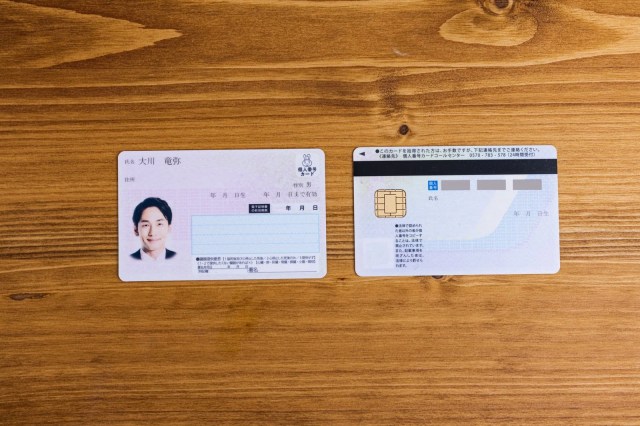
It’s unclear whether, or to what extent, the government was involved with the new My Number Card policy implemented by the Pokémon Center Online, because although the card is government-issued and can be used by businesses for identity verification purposes, its use as an anti-scalping measure is a relatively new development. That may be one one of the reasons why the government is now seeking to become more directly involved with the industry, with the LDP saying the primary goal of the parliamentary group is to establish rules to help prevent counterfeit cards and better restrict bulk purchases for resale purposes. It also aims to help promote the industry and support overseas expansion.
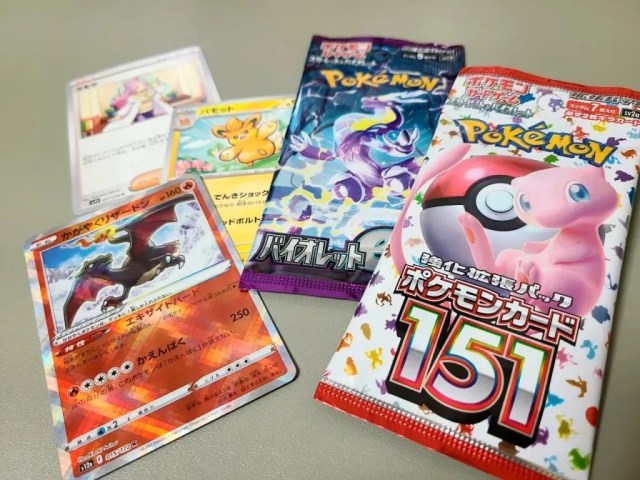
The newly formed parliamentary group isn’t expected to introduce any new laws or changes immediately. In the initial stages, it will begin by providing a forum for lawmakers, government ministries and industry representatives to discuss how the market should evolve as it continues to grow.
For collectors, that could mean new changes may soon be on their way, but with input from industry representatives, it’s hopeful that those changes will lead to tougher conditions for scalpers and counterfeiters, and a better trading card environment for genuine fans.
Source: Yahoo! News Japan/Kyodo via Jin
Images ©SoraNews24, Pakutaso
● Want to hear about SoraNews24’s latest articles as soon as they’re published? Follow us on Facebook and Twitter!


