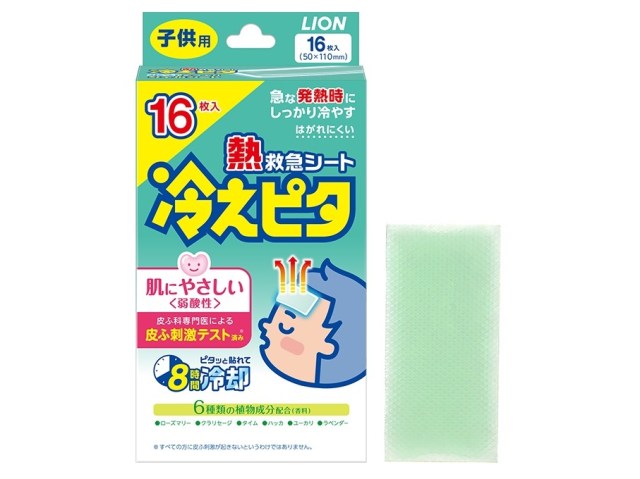
Sales of the cooling strips are not so hot, but why?
In the world of Japanese marketing, there aren’t many product names on the level of Hiepita. Produced by Tokyo-based health and hygiene company Lion Corporation (also a cool name), Hiepita comes from hieru, which means “cool down,” and pita, the Japanese onomatopoeia for sticking something to a flat surface. It’s a cute and concise summary of what Hiepita is: an adhesive strip that you stick to your forehead to bring your body temperature down.
Hiepita first went on sale in 1995 and became so popular that the word has become used by most people in Japan as a generic term for cooling gel strips, regardless of the manufacturer. But while Hiepita was at one point so popular as to leave a mark on the Japanese language, it’s now leaving stores for good. Lion has stopped production of the entire product line, because it turns out that sales of the cooling strips haven’t been so hot.
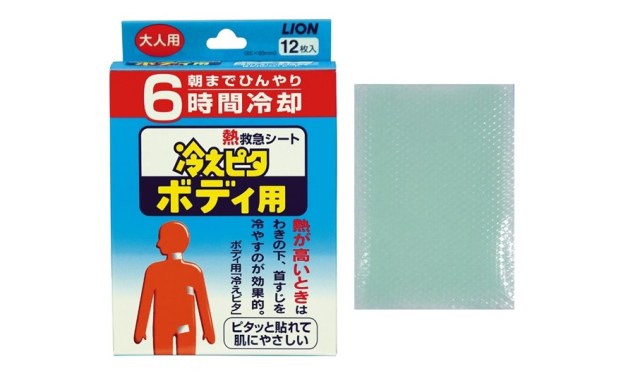
As proof of how usage of Lion’s adhesive cooling strips has slipped, it wasn’t until a few days ago that this became something that the general public in Japan was aware of, but it turns out that it’s been nearly a year since the last box of Hiepita rolled off the production line. A post made on Japanese Twitter on December 9 pointed to Lion’s website, where a list of discontinued item says that production of the final two types of Hiepita, the eight-hour kids version and the adult body-use one, both concluded in January of 2025. In the many months since, there hasn’t been any widespread chatter about Hiepita being hard to find, meaning that either there’s been enough excess stock that stores haven’t sold out, or not that many shoppers really cared if they did.
Following the attention the social media post received, a spokesperson for Lion confirmed that yes, production of all types of Hiepita has ended, and that the company has no plans to make more or release a similar product. The decision was made as “part of a strategic reevaluation of the company’s business portfolio,” or, in less shareholder meeting-y terms, Lion hasn’t been selling enough Hiepita to justify the costs of continuing to make and distribute them.
▼ The six-hour adult body-use Hiepita, one of the final two types to be made.
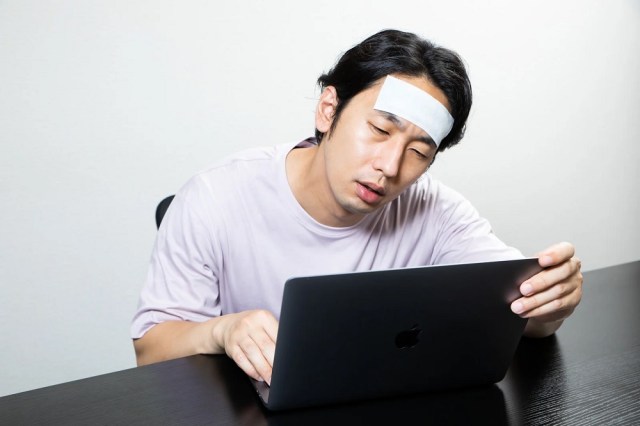
Lion hasn’t made any public statement regarding why Hiepita sales have suffered, but a few theories come to mind. The original intended use of Hiepita was for fever relief, with the selling point that the Hiepita strip wouldn’t slide around or drip down your face like a wet cloth would. There was another advantage to the adhesive holding the strip against your forehead too, which was that unlike with a towel, you didn’t have to stay lying down. You could sit up, or even walk around, with the Hiepita in place and cooling you down.
However, one of the major trends in Japanese society over the past few decades has been an increased focus on work-life balance and wellness. While it still might not seem that way in comparison to other countries, the Japan of today is more conscious of the adverse effects of working or studying to the point of exhaustion, and there’s, comparatively, greater acceptance of taking sick days than there used to be. In other words, there’s probably less demand for something that, whether the primary intended use or not, can help people keep grinding when they really shouldn’t.
▼ If you’re sick enough that you need to use a cooling strip, you’re probably sick enough that you need to go lie down.
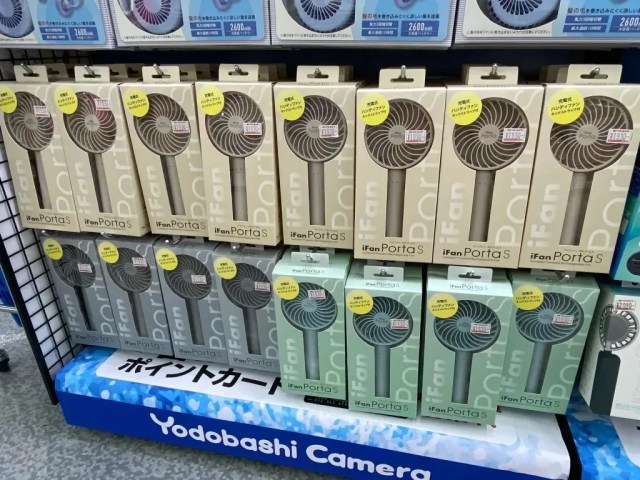
Then there’s the other way people have often used Hiepita: keeping cool in the summer. Again, this wasn’t really the initial design concept, but people quickly realized that the same sheets that helped cool them down if they had a fever could also cool them down when the heat they were feeling was coming from the summer sun and humidity. However, in the 30 years since Hiepita went on sale, a whole bunch of alternatives have come along, such as cooling wipes, sprays, and personal-size electric fans. There’s also been a greater adoption rate of air conditioning units in homes, offices, and schools (between 2010 and 2022, the rate of air-conditioned public elementary and middle school classrooms went from 19.3 percent to 95.7 percent).
▼ A display of personal fans at a Japanese electronics store, with prices under 2,000 yen (US$13).
So between now having more convenient ways to cool off than slapping an adhesive sheet on your forehead for a couple of hours, and less pressure to stay upright when dealing with a fever, it’s not surprising that Hiepita use has been declining. At the same time, it is kind of sad to see a cultural, and linguistic, phenomenon phasing out. The consolation for Hiepita fans, though, is that there are two other large Japanese companies that also make adhesive cooling gel sheets, Hakugen Earth, maker of Icenon Reikyaku Sheet, and Kobayashi Seihin, who manufactures Netsusamasheet. Netsusamasheet even predates Hiepita, debuting in 1994 but failing to achieve the same level of name recognition that Hiepita did. Still, if sales have slumped so low that Lion is calling it quits for Hiepita, odds are things aren’t looking too rosy for the other brands either, so if you are a fan, you’ll probably want to pick some up sooner rather than later.
Source: J-Cast News via Livedoor News via Jin, Lion, Takeuchi Co.
Top image: Lion
Insert images: Lion, Pakutaso, SoraNews24
● Want to hear about SoraNews24’s latest articles as soon as they’re published? Follow us on Facebook and Twitter!


