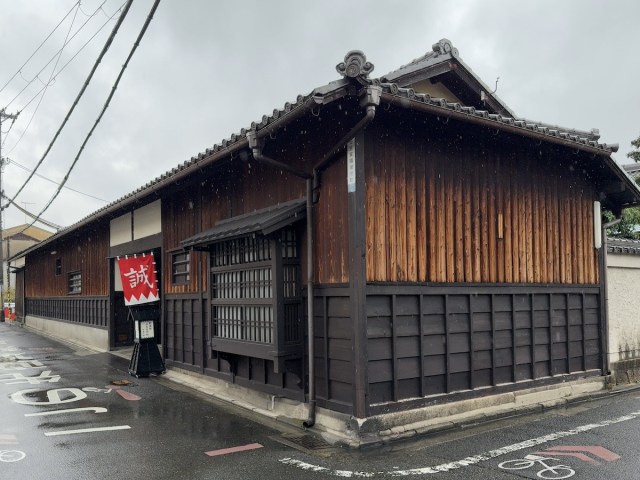
If these walls could talk, they would probably scream.
Nothing brings the story of samurai warriors to life quite like seeing and touching the marks left in wood by their swords in battle. You can almost hear the desperate shouts and feel the wind slicing through the air with the thrusts that must’ve occurred when these marks were made, and one place where you can see them is at the Former Maekawa Residence in Mibu, Kyoto.
The Shinsengumi, a police force of elite swordsmen formed in 1863 to help protect the Tokugawa Shogunate, stayed in several houses in this area, and although they only lived here for about two years, the stories that unfolded during that time are legendary. While people who visit the area today can get a taste of the samurai life at the Yagi residence, once the headquarters for the Shinsengumi, the Maekawa residence just across the road from it has, curiously, long been closed off to the public.
▼ The Maekawa residence
Now, though, this residence is preparing to open its doors and share its previously guarded secrets with the public. As the site where anti-shogunate rebel Furuta Shuntaro was tortured and General Commander of the Shinsengumi, Yamanami Keisuke, committed seppuku, there are many stories this building can tell.
▼ This corner room, for example, was where Shinsengumi member Kenji Noguchi is said to have committed seppuku.
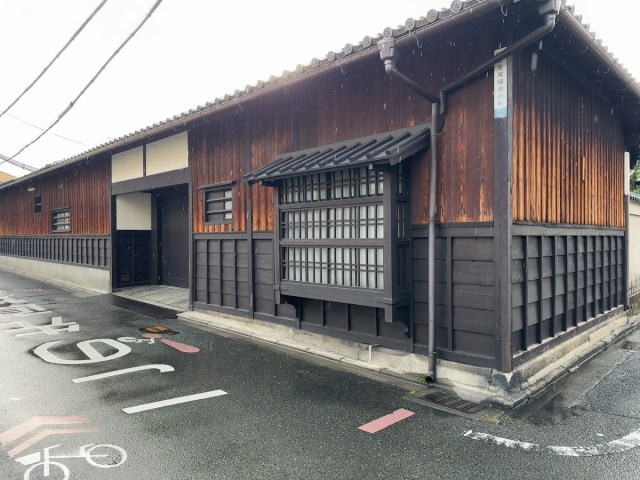
▼ Stepping through the grand entrance to the East Storehouse is like stepping back in time.
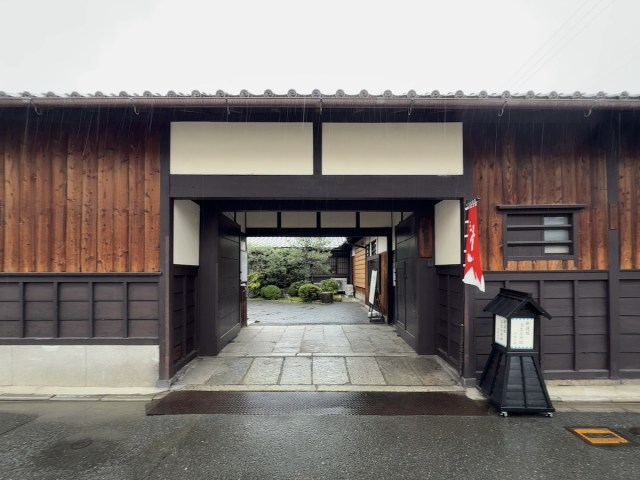
Though the Former Maekawa Residence has a shop that’s open on weekends and holidays, visitors can usually only tour the area around the entrance. The interior has long been closed to the public, save for a few limited occasions, when select visitors have been invited for special cultural property exhibitions, the memorial service for Yamanami Keisuke, and for crowdfunding campaign rewards.
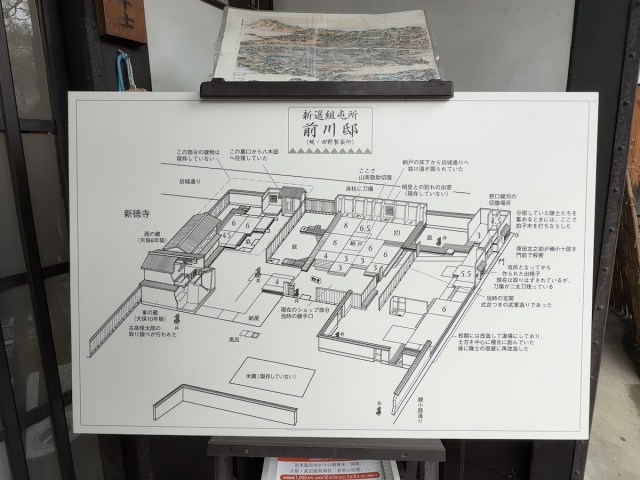
▼ Currently, the shop is at the front, with the main house on the right, and the courtyard and storehouse on the back left.
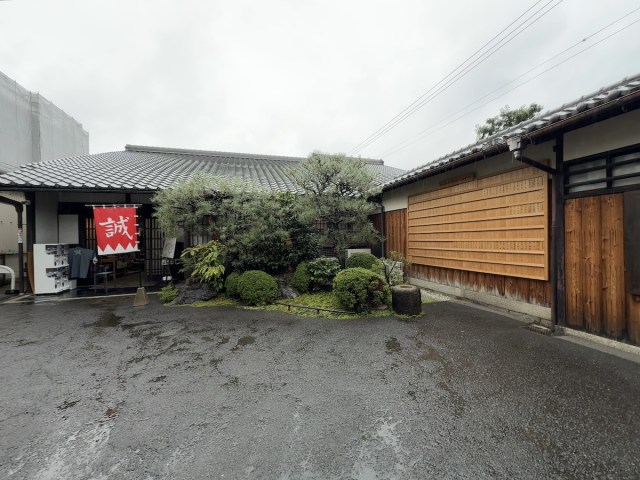
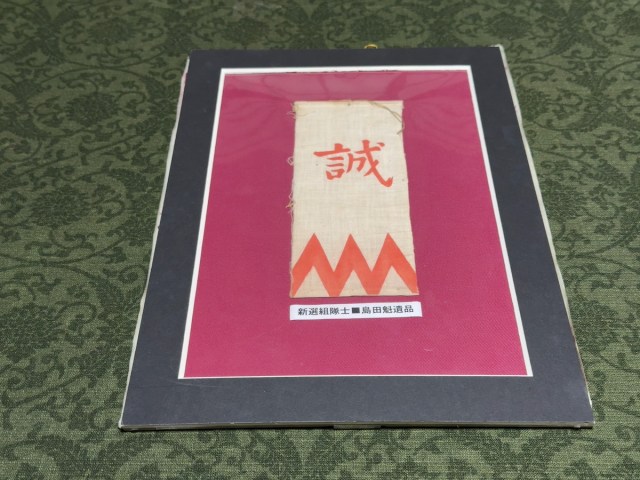
The Shinsengumi banner displays the single kanji “誠” (“makoto”), usually shown in white on a blood‑red field. 誠 literally means “sincerity”, “truth”, or “fidelity”, and the character was chosen to express the corps’ ideal of absolute loyalty and honest devotion to duty.
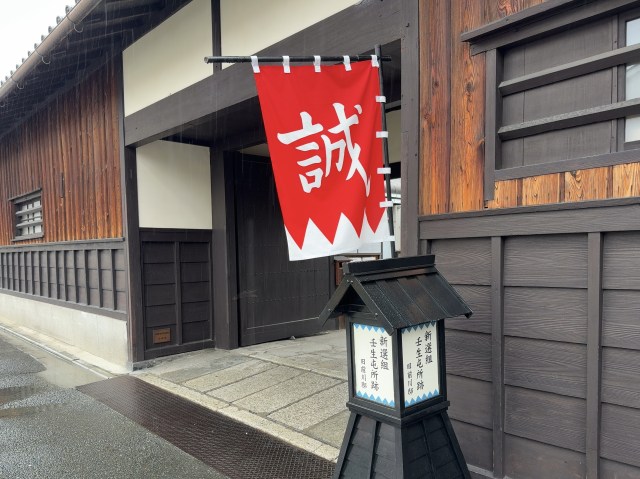
The East Storehouse is well known for its connection to the Shinsengumi. It’s famous as the site where Vice Commander of the Shinsengumi, Hijikata Toshizo, is said to have tortured the anti-foreigner patriot Furutake Shuntaro. Based on testimony obtained through torture, the rebels’ meeting place was identified, leading to the infamous “Ikedaya Incident“, which became an important turning point in Japan’s history that led to the Meiji Restoration and the eventual abolition of the samurai class.
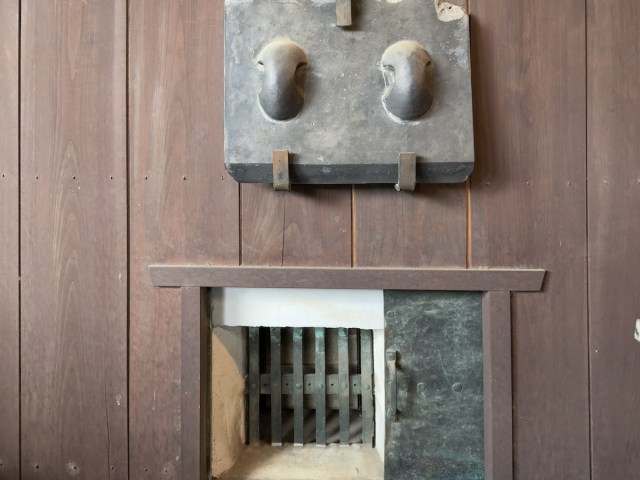
The Maekawas were a samurai family who ran a “kakeya“, a business dealing in currency exchange. As such, the storehouse was used to store gold coins (“ryo”), so thick, multi-layered walls and mechanisms to safeguard against fire, similar to modern-day automatic locks, can be seen everywhere.
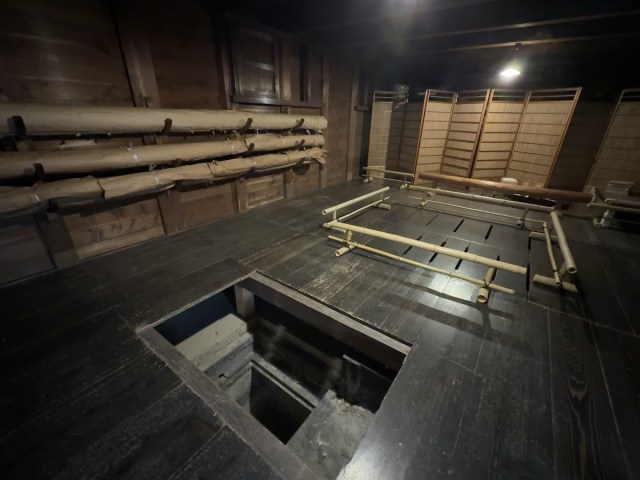
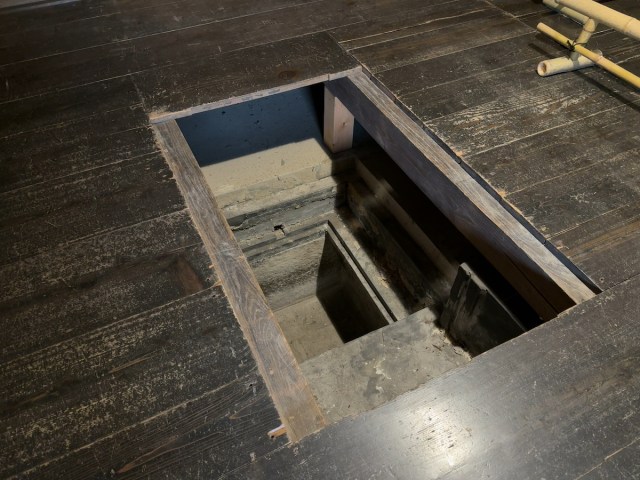
With plenty of underground space, where rows of senryobako (thousand-ryo chests) would’ve been lined up, the storehouse essentially functioned as a vault for storing valuables. The Maekawa family was so influential that they could be considered a financial conglomerate by today’s standards.
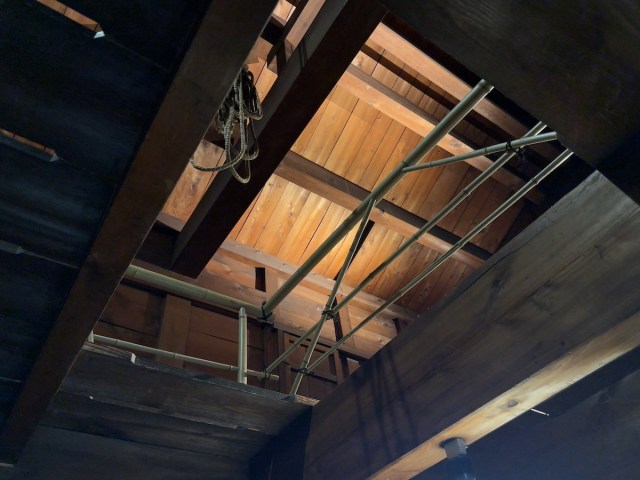
Looking up, you can see the pulleys that were once used to lower cases to the basement…and they were also used to torture Furutaka Shuntaro by hanging him upside down.
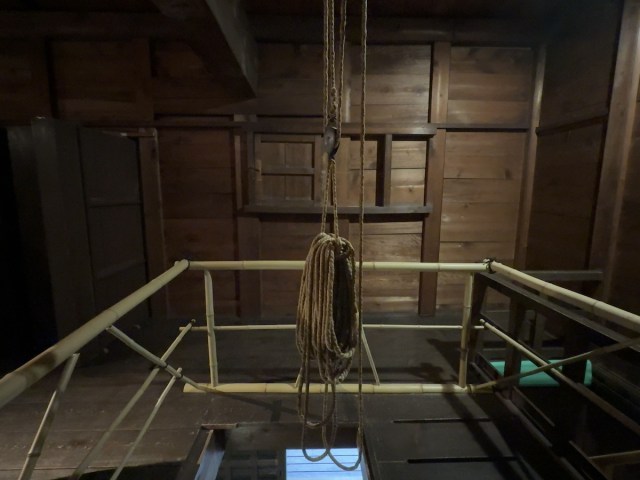
If you go up to the second floor, you can get a good look at the ropes hanging from the beams, taking you right back to the pivotal moment that led to the Ikedaya Incident. The building’s structure, with an open ceiling all the way to the basement, and sturdy ropes to carry heavy cases up and down, suggests this would have been a convenient place for the Shinsengumi to conduct brutal interrogations.
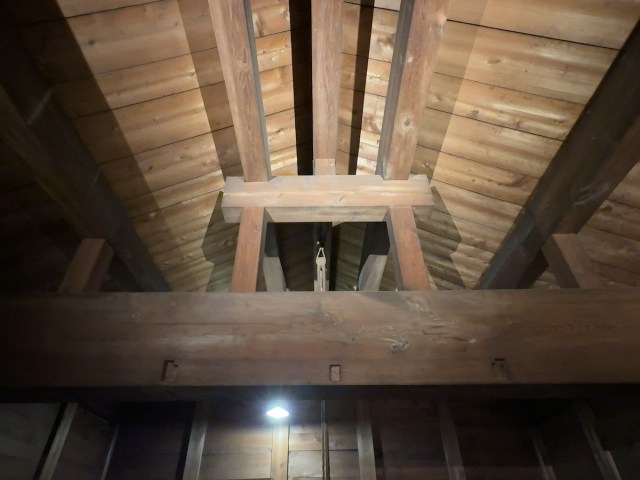
As a storehouse, though, this is a magnificent building. The thick beams, which appear to be several times thicker than those in comparable buildings, and the wall panels, which are smoothed with a plane despite not being designed for public display, are indicators of luxury. However, it’s said that the Maekawa family was forced to move out when the Shinsengumi moved in to use it as one of their bases.
▼ It’s amazing to think that samurai once looked out this window.
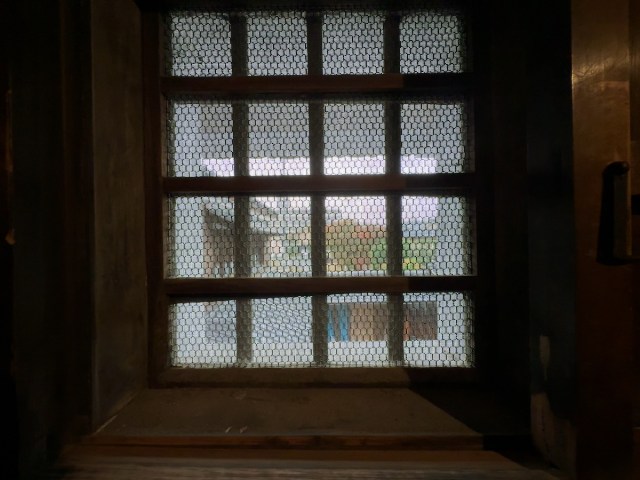
Today, you can find a different man looking out from the windows, and his name is Hitoshi Tano. As the current owner and resident of the Former Maekawa Residence, Tano actually lives in the main building (the omoya) on the property.
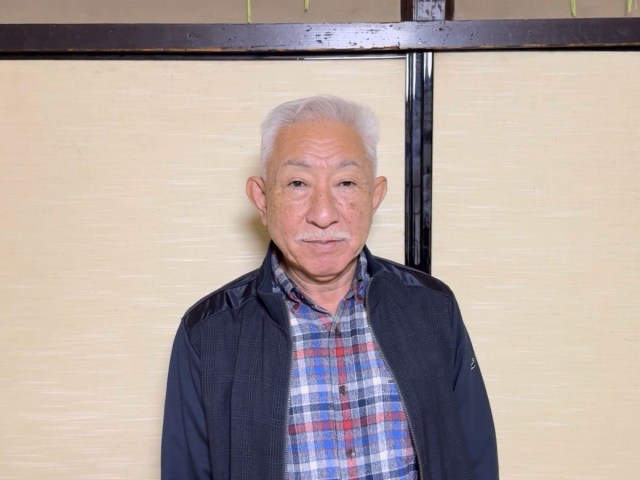
Tano has been living here since his grandfather’s time, when the family purchased it without initially knowing it was a Shinsengumi site. After becoming aware of its history, Tano vowed to stay on the site for as long as possible, even dedicating his own money to preserving the building. We were privileged enough to be given a special tour of the main house where Tano lives, and he led us to the small room where Noguchi Kenji committed seppuku, before taking us to another room, where Yamanami Keisuke is said to have committed seppuku.
▼ This room is now being used as a Buddhist altar room.
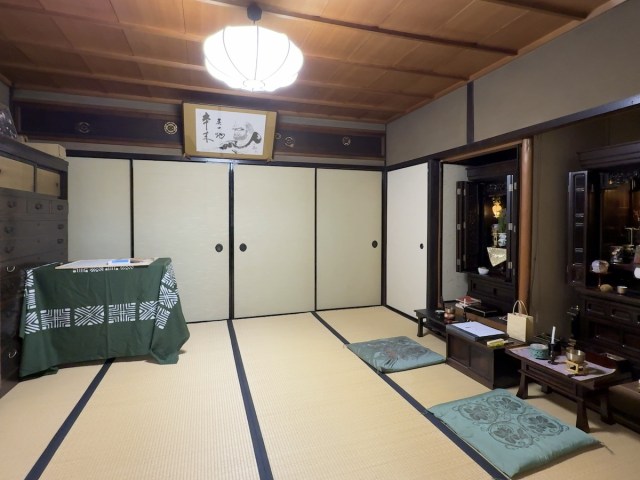
The lattice window where Yamanami is said to have mourned his separation from a sex worker called Akari no longer exists. In fictional works, Yamanami is often portrayed as a knowledgeable and gentle man, but there are many mysteries surrounding his origins and school of thought, and the existence of Akari has not been confirmed or denied.
▼ Tano says the lattice windows were once in this area of the home.
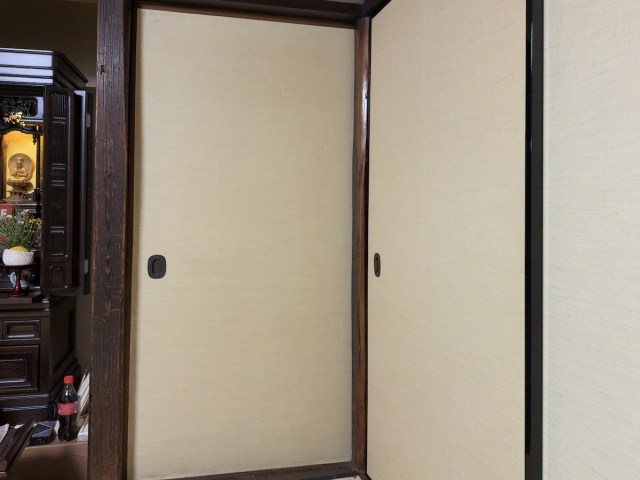
▼ This location correlates to the Bojo-dori side of the building, which is where the latticework would’ve once existed.
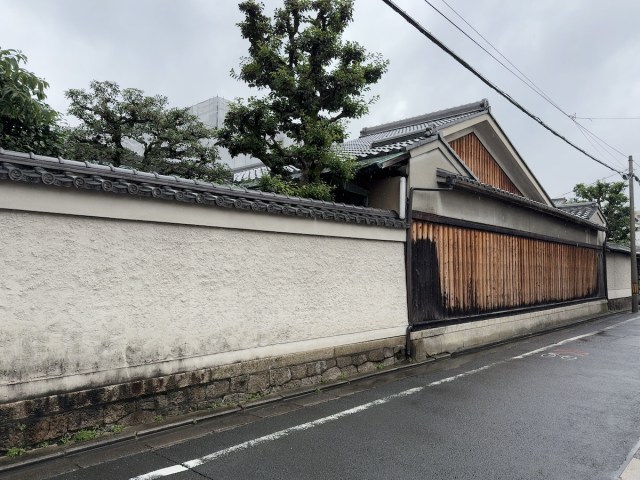
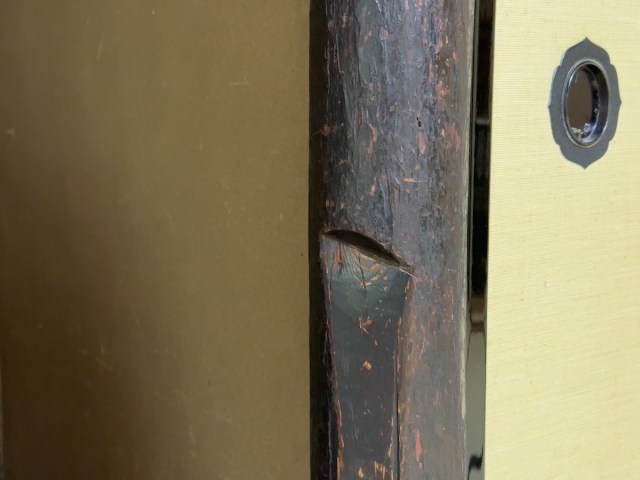
Although our friendly host pointed out areas of note around the home in a casual, unassuming manner, we found ourselves trembling with excitement at every detail. Despite the homely ambience, remnants from the past remain in the building, including sword marks on the alcove pillars in the next room.
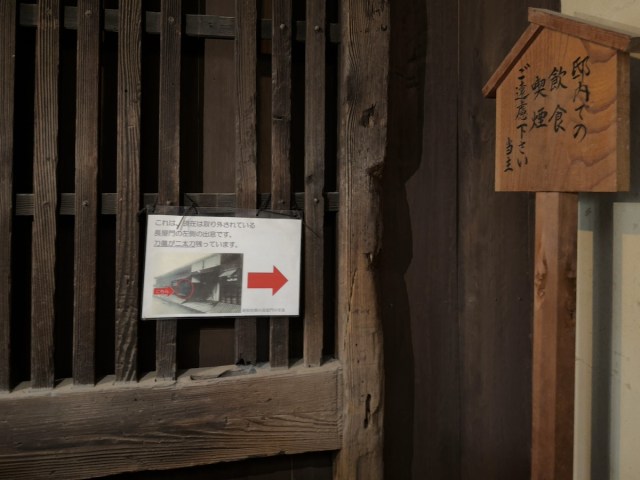
▼ Sword marks also remain on the removed latticework that once stood beside the tenement gate
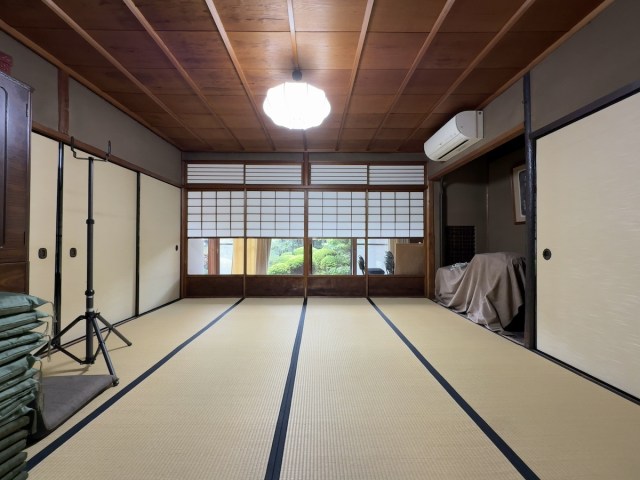
The history of the building was absolutely captivating, and experiencing it was completely different from viewing displays behind glass like you would at other museums and tourist attractions. The Former Maekawa Residence is special in that it’s a home where people actually live – the entire mansion seems to be alive and breathing.
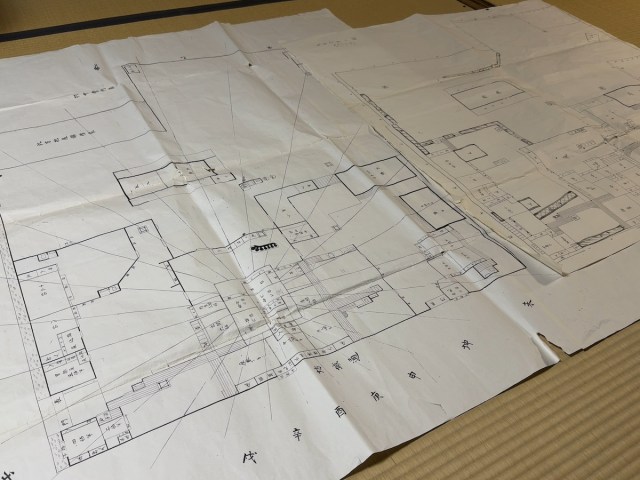
With extra details to be found around the home, it’s as if the breath of the warriors from centuries past can be felt all around you. Some of the valuable documents in Tano’s possession include feng shui charts that allow you to see changes in the house before and after the arrival of the Shinsengumi.
The Shinsengumi were wary of enemy attacks and strengthened the defenses of the Maekawa residence. Training mainly took place at the nearby Mibudera temple, but there was apparently enough land within the mansion grounds for training as well.
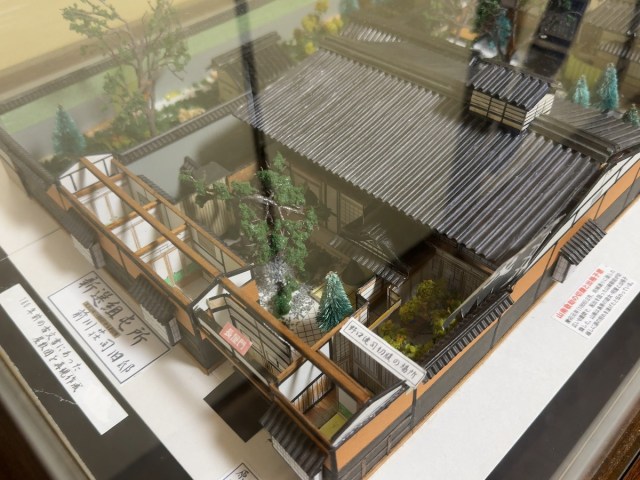
The diorama above, a three-dimensional representation of the mansion based on ancient documents, was created by Toshimichi Tabata, a private researcher of the former Maekawa residence. He refines the diorama and adds to it whenever a new discovery is made.
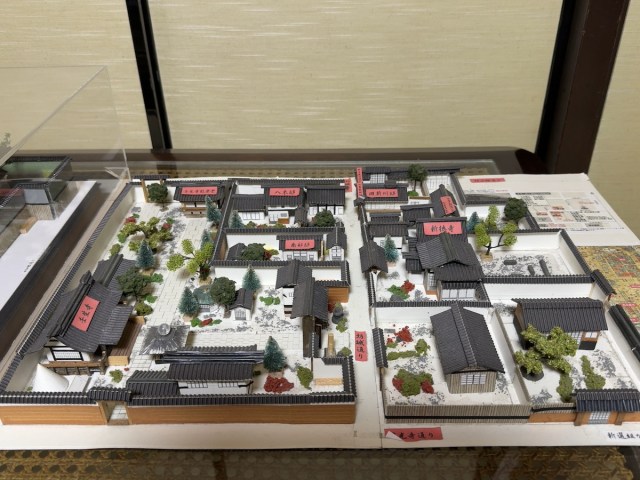
▼ Another diorama shows the surrounding area and its associations with the Shinsengumi.
▼ Former panoramic view of the old Maekawa residence.
Some of the items, like the piece below, which once belonged to Shinsengumi corporal and investigator Shimada Kai, are so valuable they wouldn’t be out of place in a museum.
Japan’s samurai can so often seem like distant, idolised characters from a fictional world, but here in this residence, their presence is palpable. The two years they spent in Mibu were a time of uphill struggle, with many of the samurai being young people who simply dreamed of success, with desires of making their mark on Kyoto.
▼ Knowing their future fate from the viewpoint of today makes those short days here feel precious.
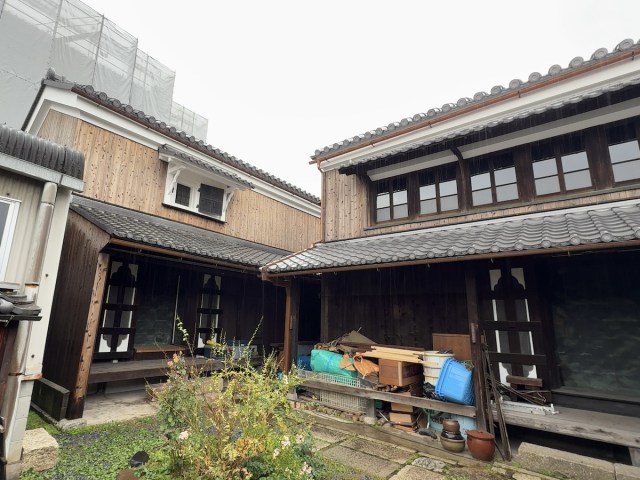
So why was the former Maekawa residence closed to the public for so long? As it turns out, the entire residence was in a state of general deterioration, and with insufficient funds, repairs were impossible, making it unsafe for the general public.
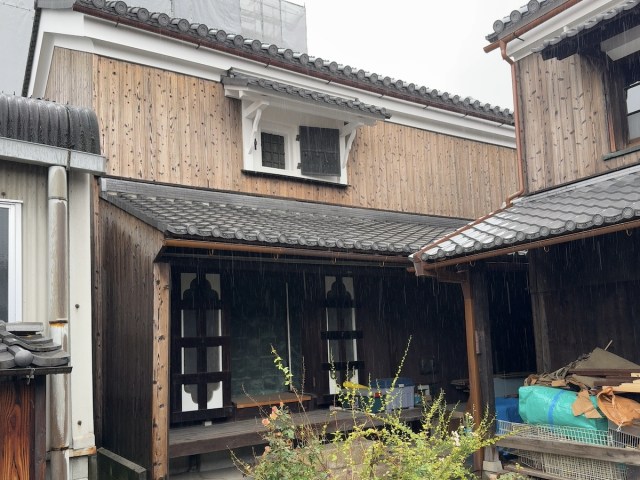
In order to make it safe for visitors, two rounds of crowdfunding were conducted, and the funds kindly generated from those campaigns are now being used to improve and renovate the roof, gates, and passageways.
▼ Thanks to the efforts of Tano and his supporters, the number of days this gate opens to the public is increasing every year.
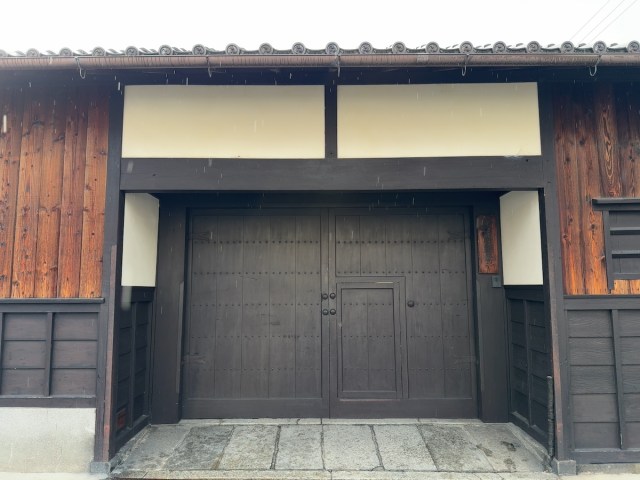
The aim is to have the East Storehouse open to the public on a regular basis, so that Tano’s dream of it becoming “a place where Shinsengumi fans can interact” can finally come true.
Although the large-scale crowdfunding campaign has now come to a close, the Former Maekawa Residence is currently working on a system for continued support through crowdfunding site “Readyfor” with plans to allow people to submit even small amounts. It’s crowdfunding campaigns like this that help to keep the history of the Maekawa residence alive, so that future generations can immerse themselves in samurai culture and learn more about its secrets.
Related: Former Maekawa Residence, Previous Readyfor Crowdfunding Page
Photos ©SoraNews24
● Want to hear about SoraNews24’s latest articles as soon as they’re published? Follow us on Facebook and Twitter!


