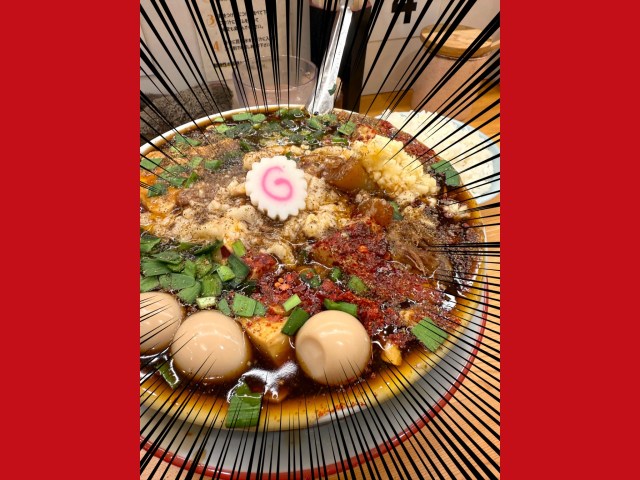
We head to Tokyo’s Toshima Ward for a new spin on stamina-style ramen.
The word “stamina” has kind of a complicated meaning in Japan, at least when it’s being used to talk about food. “Stamina”-type foods and recipes sometimes get their names because they’re high in protein, but often the source is non-lean meats. Other times the “stamina” label is more about using a lot of garlic, said to improve blood flow and help with heat exhaustion according to Japanese folk wisdom, but the result is usually a flavor that’s very heavily seasoned, to the point where the dish, tasty or not, might not feel particularly invigorating.
For example, stamina-style ramen, or “stamina-kei ramen,” as it’s called in Japanese, is ramen with heavy garlic, pork back fat, and leeks, like the bowl shown in the photo below.

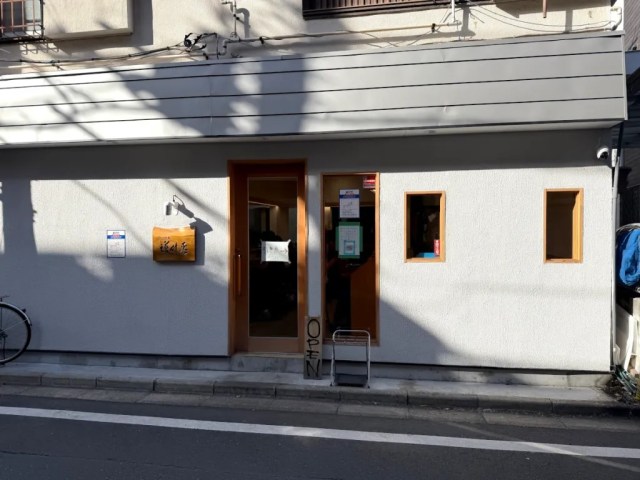
Recently, though, we’d begun hearing rumors about stamina-destroying ramen (stamina hamestsu-kei ramen). This hasn’t yet been established as a widely available noodle genre, and is instead the creation of Gojuban, a ramen restaurant in the Zoshigaya neighborhood of Tokyo’s Toshima Ward.
▼ Gojuban
The dish’s full name, as shown on the machine you buy a meal ticket from, is Stamina-Destroying Ramen Umakarashibimen, with the last part meaning “delicious spicy paralyzing noodles.”
▼ スタミナ破滅系ラーメン 旨辛痺麺 = Stamina-Destroying Ramen Umakarashibimen

That might seem like a lot to cram into a name, but hey, Gojuban crams a lot into this ramen.
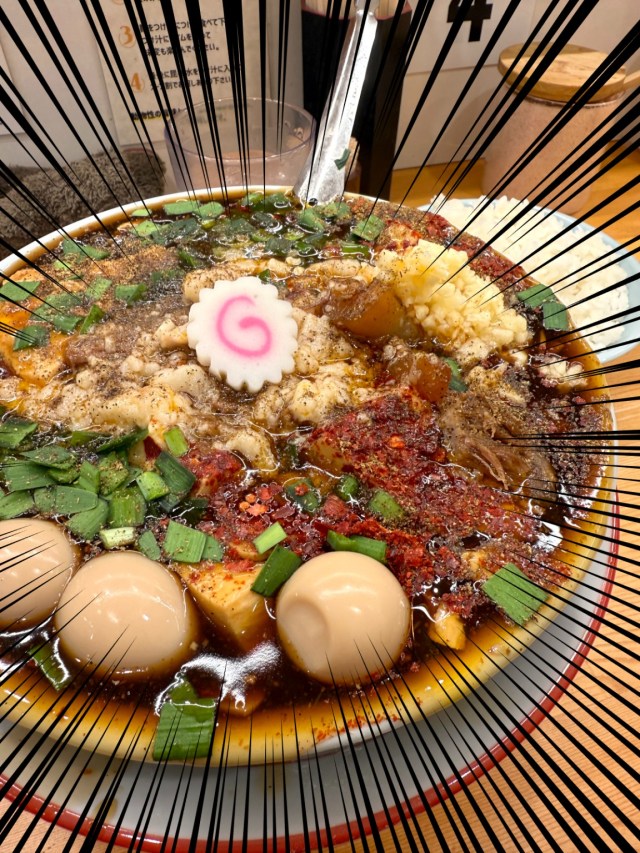
Filled so close to overflowing that it’s served with a plate underneath it to catch any runoff, the Umakarashibimen’s toppings include garlic, chili pepper, tofu, beef tendon, leeks, quail eggs, and a single naruto fish cake. There’s so much stuff floating in the broth that, when it’s placed before you, you can’t see so much as a single noodle.
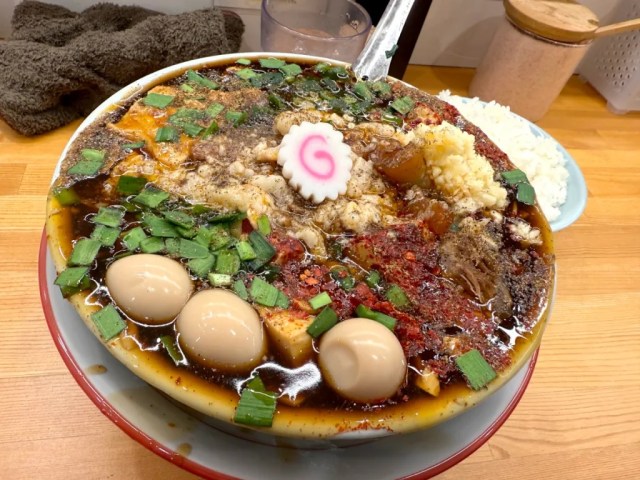
It’s so crazy-looking that you can’t help but laugh when seeing it, both from the comically large portion for just 1,150 yen (US$7.50) and also from the giddy anticipation of digging into something so decadent,
Taking a taste of the broth to start, our taste buds were immediately hammered with garlic, since there’s not only minced raw garlic in the broth, but roasted garlic too. You WILL smell like garlic for at least the rest of the day after eating this, so take that into account when scheduling social engagements.

However, after the initial wave of garlic, we discovered a surprising amount of complexity to the broth’s flavor profile. You’ve also got the chilies, beef, and sansho (Japanese prickly-ash pepper) respectively contributing heat, juicy meatiness, and aromatic astringency. As a matter of fact, it’s the astringent quality of the sansho that gives Umakarashibimen the “paralyzing” part of its name, since while it’s spicy, it’s not hot to an incapacitating degree (although you can ask Gojuban to make it extra-spicy for an additional 100 yen).
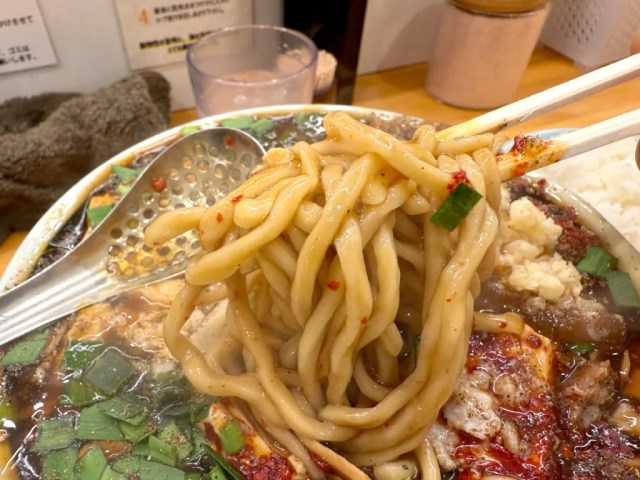
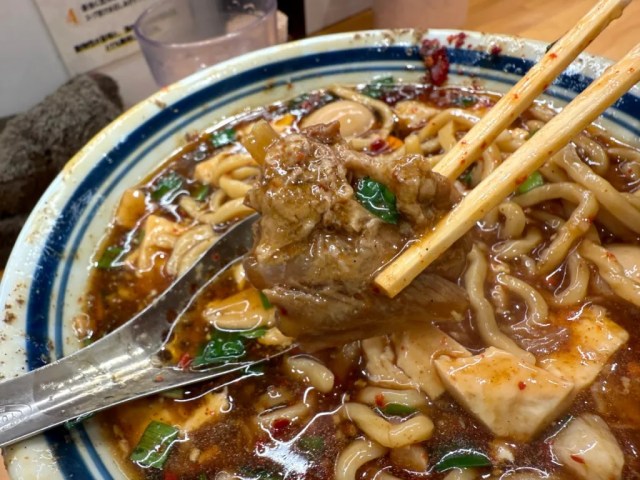
The thick, wavy noodles are a perfect pairing for the broth, substantial enough to soak up plenty of flavor and with an appropriate hearty mouthfeel. The beef is delicious too, and a luxurious touch considering that sliced pork is by far the more common kind of meat to use for ramen.
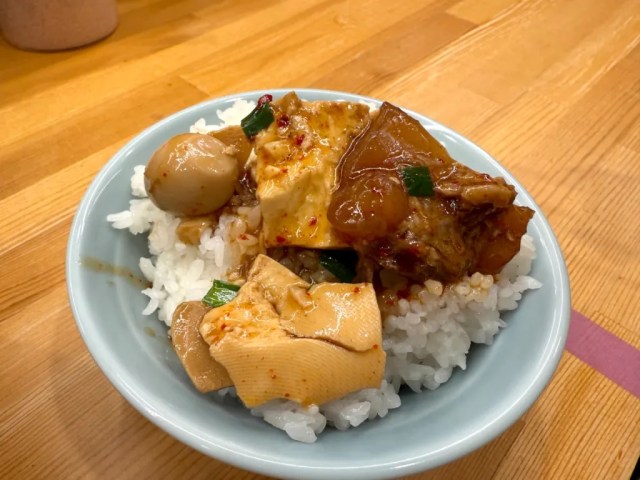
Somewhat ironically, even as there’s so much to love about this ramen, you might also find yourself craving rice too, as everything the Umakarashibimen comes topped with works as rice bowl toppings too, so we added a side order of rice and got to work combining them.
It’s still too early to tell if stamina-destroying ramen is going to catch on and become as big a thing as stamina-style ramen has. But even if it stays something you can only get at Gojuban, it’s special enough that it’s worth making a special trip to the restaurant for.
Restaurant information
Gojuban / 護什番
Address: Tokyo-to, Toshima-ku, Zoshigaya 1-30-15
Open 11 a.m,-2:30 p.m., 5:30 p.m.-8 p.m.
Closed Thursdays, every other Wednesday
Twitter
Photos ©SoraNews24
● Want to hear about SoraNews24’s latest articles as soon as they’re published? Follow us on Facebook and Twitter!


