Causing “unpleasantness” could put you behind bars.
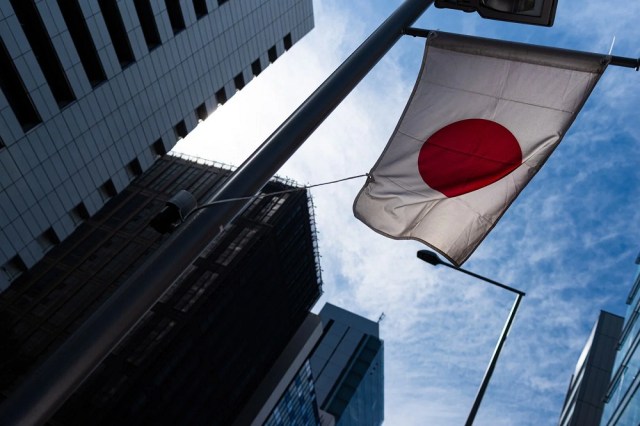
On Friday, the plenary session of the House of Councilors of Japan’s Diet (national assembly) concluded, but before it did, its members made sure to vote on, and pass, a bill that makes it not only illegal to desecrate the flag of Japan, but also to make it a jailable offense.
The bill, jointly submitted by the ruling Liberal Democratic Party, the Japan Restoration Party (called “Nippon Ishin no Kai” in Japanese), Democratic Party For the People, and right-wing Sanseito party, had been a measure that prime minster Sanae Takaichi had pushed for in the runup to her appointment to Japan’s top political position in October of last year.
Under the new law, public damage or destruction, defacement, or removal of Japanese flags in a manner that causes “extreme unpleasantness or disgust” can be punished by forced imprisonment of up to two years or a fine of up to 200,000 yen (US$1,235). As for what the threshold is for “extreme,” that appears to be something politicians championing the new law feel confident that the courts can judiciously determine.
The bill did not pass with unanimous support, with members of the Constitutional Democratic Party of Japan (yes, Japan has many political parties with “Democratic” in their name) opposing criminalizing defacing the Japanese flag on the grounds that such a law violates the freedom of expression established in the Constitution of Japan, and that the new law is excessively vague in defining what kind of acts would be subject to punishment. The Liberal Democratic Party responded “The degree of restriction on freedom of expression is small.”
▼ Which kind of feels like the political debate rebuttal-equivalent of “Well, yeah, we are going to pee in your pancake batter, but the amount of urine will be small.”

Comments to the above video of the vote, showing a total of 184 councilors voting in favor of criminalizing desecrating the flag, and 57 opposed, also show that not everyone in Japan is happy about this development.
“Can people who do this sort of thing actually call themselves politicians?”
“Where the hell do they get off making that kind of decision without putting it to a public vote?”
“It’s plain that they’re just going to push through what they want without listening to the voices of the country’s citizens.”
“Give back our Japan.”
“Hey, didn’t you guys say you were going to do something about lowering sales tax for groceries and necessities?”
“Instead of doing this, our politicians should be doing something about rising consumer prices and the weak yen.”
“[A lot of recent government decisions] feel like sneak attacks…can’t help thinking they have more planned behind the scenes.”
“I truly, from the bottom of my heart, feel like the world is falling apart.”
Adding a very odd wrinkle to all of this is that Japan already has a law, called the gaikoku kokusho sonkaizai, or “crime of damage to foreign national emblems,” which criminalizes damage to symbols of foreign nations within Japan, and it carries the same penalties of up to two years in prison or a fine of up to 200,000 yen. Many of the politicians pushing for the criminalization of defacing the Japanese flag pointed to the imbalance between foreign flags being legally protected while Japan’s own flag remained fair game.
However, Japan doesn’t have a widespread social tradition or trend of Japanese people burning or otherwise desecrating foreign flags, and on the infrequent occasions when the gaikoku kokusho sonkaizai has been invoked, it’s almost always been in relation to acts of vandalism at embassies, often involving disputes between Taiwanese and Chinese nationals. As such, the law against the desecration of foreign emblems is more a means of extra layer of protection against triggering international battles within Japan’s borders as opposed to something necessary for maintaining public order.
The new law against defacing the Japanese flag is a pretty transparent ploy to curry favor with political backers with strongly nationalist sentiments, but it seems the same effect could have been achieved by abolishing special protections for foreign flags, especially when there are already sufficient preexisting laws against vandalism or property damage regardless of what was harmed. Instead, though, the course correction the Japanese Diet is going with is to see if they can get two wrongs to make a right, and the result is that someone could end up in jail for two years because someone else found what they did “unpleasant.”
Source: Nitele News, Teleasa News, Sankei Shimbun, YouTube/日テレNEWS
Top image: Pakutaso
Insert images: Pakutaso
● Want to hear about SoraNews24’s latest articles as soon as they’re published? Follow us on Facebook and Twitter!


